





Every warehouse works with one main goal: store products properly and deliver orders on time. As businesses grow, handling inventory, packing orders, and managing daily warehouse tasks become more challenging. This is why choosing the right warehouse management approach is important.
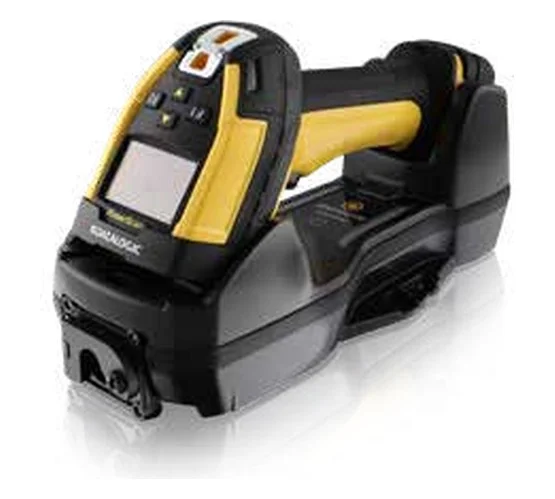
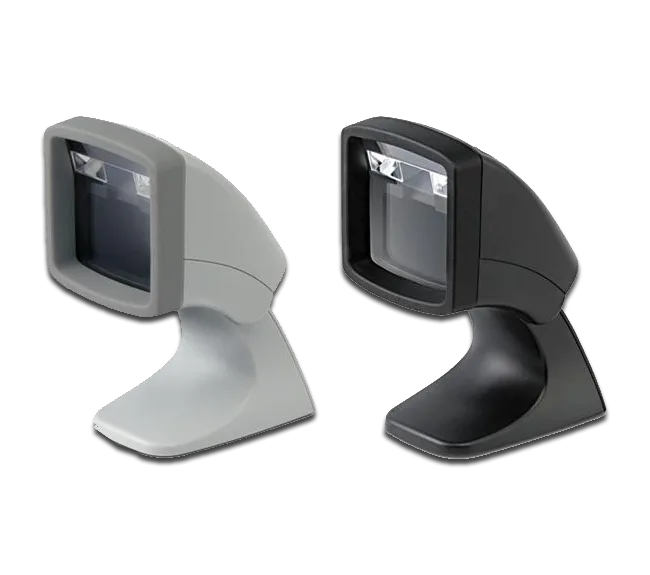
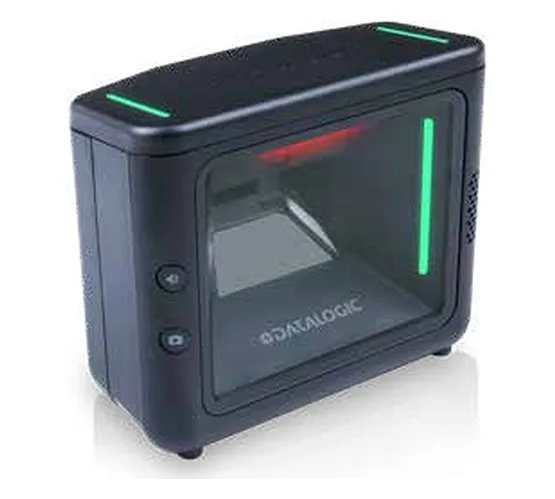
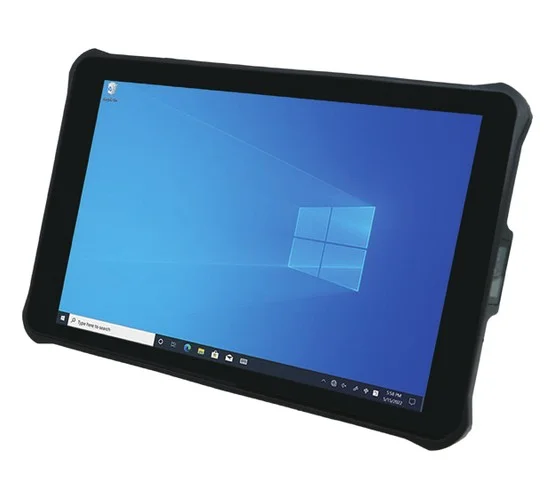
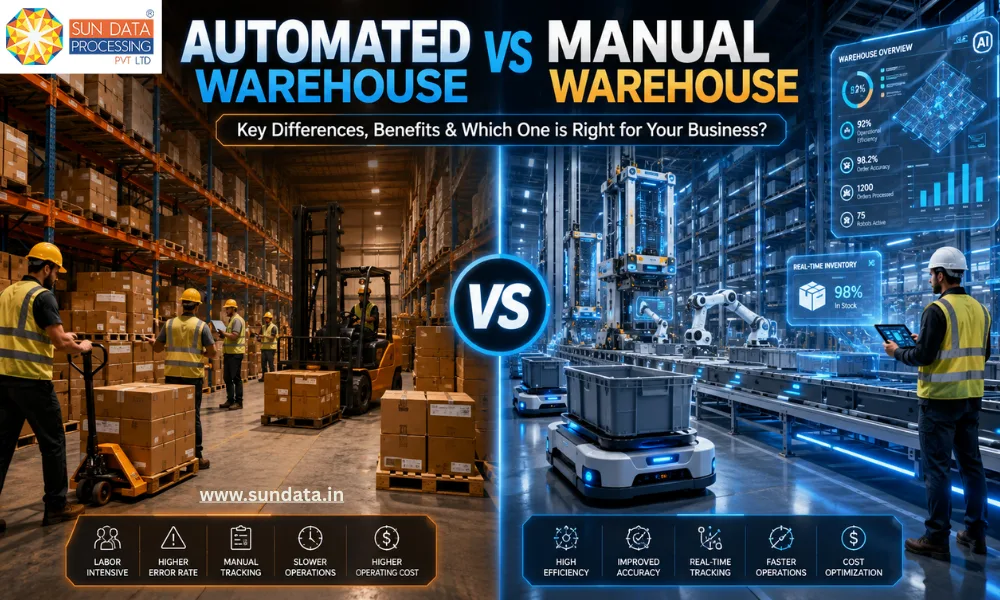
Today, businesses mainly use two types of warehouses: manual warehouses and automated warehouses. A manual warehouse depends on people to perform most warehouse activities, while an automated warehouse uses technologies like warehouse management systems (WMS), barcode scanners, robots, conveyors, and automated storage systems to complete tasks faster and with fewer errors.
The comparison between an automated vs manual warehouse is not only about technology. It also includes cost, speed, accuracy, labour requirements, business size, and future growth. A method that works well for one business may not be the right choice for another.
This guide explains the difference between manual and automated warehousing, their advantages, limitations, and when each option makes sense. It will also help you decide which warehouse system fits your business needs.
Understanding Automated Warehousing
An automated warehouse uses technology to handle daily warehouse operations with less manual work. It combines software, machines, and smart equipment to improve the speed and accuracy of warehouse activities.
A warehouse management system (WMS) manages inventory, tracks stock movement, and assigns picking and storage tasks. Many warehouses also use barcode scanners, RFID, conveyors, robots, and automated guided vehicles (AGVs) to move products efficiently.
Automation reduces manual errors, speeds up order processing, and provides real-time inventory visibility. Although it requires a higher initial investment, it helps businesses save time, improve productivity, and manage growing order volumes more efficiently.
Understanding Manual Warehousing
A manual warehouse depends mainly on people to carry out daily warehouse operations. Workers receive goods, store inventory, pick orders, pack products, and prepare shipments using basic tools and manual processes.
Most manual warehouses use paper records, spreadsheets, or simple software to manage inventory. Since many tasks are completed by hand, the chances of delays and inventory errors are higher, especially during busy periods.
Manual warehousing is suitable for small businesses with limited stock and fewer daily orders. It requires a lower initial investment, but as the business grows, managing warehouse operations manually becomes more time-consuming and difficult.
Automated vs Manual Warehouse: Key Differences
Both automated and manual warehouses help businesses store and ship products, but the way they operate is completely different. From daily operations to business growth, each approach has its own advantages and limitations.
Work Process
An automated warehouse completes most tasks with the help of a warehouse management system (WMS), barcode scanners, conveyors, and automation equipment. A manual warehouse depends on workers to perform activities such as receiving goods, storing inventory, picking orders, and packing shipments. This makes manual operations more time-consuming.
Inventory Visibility
Automation gives businesses real-time visibility of inventory. Stock levels are updated automatically whenever products move within the warehouse. In a manual warehouse, inventory updates are usually entered by employees, which increases the chances of stock differences and delays.
Order Processing
Automated warehouses can process a large number of orders in less time because the system guides each step of the workflow. Manual warehouses require employees to complete every stage of the order process, so productivity depends on the available workforce.
Accuracy and Errors
Automation reduces human mistakes by recording inventory movements and guiding warehouse tasks through software. Manual warehouses are more likely to face picking errors, incorrect stock counts, and shipping mistakes, especially when order volumes are high.
Cost and Business Growth
A manual warehouse is easier to set up because it requires a smaller investment. An automated warehouse needs a higher initial budget, but it becomes more cost-effective as the business grows. Companies with increasing order volumes often choose automation to improve efficiency without adding a large workforce.
The table below quickly compares an automated warehouse vs. manual warehouse based on the most important factors.
Steps to Transition from Manual to Automated Warehousing
Moving to an automated warehouse is not just about installing new technology. Businesses should plan the transition carefully so that daily operations continue without major disruptions.
Understand Your Warehouse Requirements
Every warehouse has different needs. Before investing in automation, evaluate your order volume, inventory size, available space, and operational challenges. This helps you choose solutions that match your business goals.
Invest in the Right Technology
Select tools that solve your current challenges. A warehouse management system (WMS), barcode scanners, RFID, conveyors, or automated storage systems can improve warehouse efficiency. Start with the technologies that offer the highest ### value for your operations. Prepare Your Warehouse Team. Technology works best when employees know how to use it. Provide proper training so the warehouse team can work confidently with the new system and adapt to updated workflows.
Automate Gradually
There is no need to automate every process at once. Many businesses begin with inventory tracking and barcode scanning before expanding to automated picking, sorting, or material handling. A phased approach reduces risk and allows employees to adjust comfortably.
Measure the Results
After automation is introduced, monitor key performance indicators such as order processing time, inventory accuracy, labour productivity, and operating costs. Regular reviews help ensure the new system delivers the expected business benefits.
Should You Choose a Manual Warehouse Instead of Automation?
A manual warehouse can still be the right choice for many businesses. If your company is small, manages a limited number of products, and processes only a few orders each day, manual operations can meet your current needs without requiring a large investment. This approach also gives businesses more flexibility while they are still growing.
Budget is another important factor. Warehouse automation involves spending on software, equipment, and employee training. If your business is not ready for that investment, continuing with a manual warehouse can be a practical decision. Many companies prefer to strengthen their operations first and introduce automation later.
Manual warehousing also works well when warehouse activities are simple and order volumes remain consistent throughout the year. If your team can receive, store, pick, pack, and ship products efficiently without delays, there may not be an immediate need to automate every process.
That said, businesses should regularly review their warehouse performance. When inventory increases, order volumes grow, or manual processes start causing delays and errors, it becomes the right time to consider moving towards warehouse automation. A planned transition helps businesses improve efficiency while supporting future growth.
When Should You Automate Your Warehouse?
Warehouse automation becomes valuable when manual processes are no longer able to support daily operations. As your business grows, handling inventory and fulfilling orders manually can slow down productivity and increase the chances of errors.
If your warehouse is receiving more orders than your team can manage efficiently, automation can help speed up picking, packing, and shipping. Businesses that frequently face inventory mismatches or stock visibility issues can also benefit from a warehouse management system (WMS) and automated inventory tracking.
Automation is also a good choice when labour costs continue to rise or when finding skilled warehouse staff becomes difficult. By automating repetitive tasks, employees can focus on activities that require more attention and decision-making.
Another sign is business expansion. If you are planning to add more products, serve new locations, or handle seasonal demand, warehouse automation provides the flexibility to manage higher order volumes without significantly increasing your workforce.
Which Warehouse System Is Best for Your Business?
The right warehouse system depends on your business goals, order volume, budget, and plans. There is no one-size-fits-all solution. A system that works well for one business may not be suitable for another.
If you run a small business with limited inventory and steady order volumes, a manual warehouse can be a cost-effective option. It allows you to manage daily operations without making a large investment in automation.
For businesses handling a growing number of orders, multiple warehouse locations, or a large product range, an automated warehouse offers better control and efficiency. With a warehouse management system (WMS) and automation tools, businesses can improve inventory accuracy, speed up order fulfilment, and gain better visibility across warehouse operations.
Many businesses also choose a hybrid approach by combining manual processes with automation. They may start with a WMS and barcode scanning, then gradually introduce more automation as their operations grow. This helps control costs while preparing the warehouse for future expansion.
FAQ
1. How do I know if my warehouse is ready for automation?
Your warehouse may be ready for automation if you frequently experience inventory errors, delayed order fulfilment, rising labour costs, or difficulty managing increasing order volumes. These are common signs that manual processes are no longer enough.
2. Can manual and automated warehouse systems work together?
Yes. Many businesses use a hybrid approach where manual processes are combined with automation. For example, a warehouse may use a warehouse management system (WMS) and barcode scanning while keeping packing or quality checks manual.
3. Does warehouse automation replace warehouse employees?
No. Warehouse automation is designed to support employees by handling repetitive and time-consuming tasks. Workers can then focus on activities such as quality checks, inventory planning, exception handling, and customer service.
4. Can warehouse automation help during seasonal demand?
Yes. Warehouse automation allows businesses to process higher order volumes more efficiently during peak seasons. It helps maintain order accuracy, reduces delays, and supports faster dispatch without significantly increasing the workforce.
Conclusion
Every business has different warehouse requirements, so there is no single solution that fits everyone. A manual warehouse works well for businesses with simple operations and lower order volumes, while an automated warehouse offers better speed, inventory accuracy, and operational control as the business grows.
The right decision depends on your current needs, budget, and plans. By evaluating these factors carefully, you can select a warehouse system that supports efficient operations today and prepares your business for long-term growth.
If you are looking to modernize your warehouse, Sun Data Processing's warehouse management system (WMS) can help you improve inventory management, increase warehouse visibility, and simplify daily warehouse operations.