

Controlling who can enter an office, warehouse, or restricted area is important for every business. Companies need a system that is easy to use, reliable, and cost-effective. This is where access control systems play a key role in daily operations.
A barcode access control system is one such solution that many organizations trust. It uses barcode cards or badges to allow or block entry based on permission. With the help of an access control barcode reader, businesses can manage entry without complex setups or high maintenance.
This guide explains barcode access control in a clear and simple way. Each section covers how the system works, its components, benefits, and real-world uses, so even a non-technical reader can understand it easily.
What is an Access Control System?
An access control system is a security setup used to manage who can enter a specific place. Offices, factories, hospitals, and warehouses use it to protect people, assets, and sensitive information. Entry permissions are given only to authorized users.
This system works by checking an identity before allowing access. The identity can be a card, barcode, password, or biometric detail. Once verified, the door or gate opens automatically. Businesses prefer access control systems because they reduce manual checking. Security teams can track entries, limit access to certain areas, and maintain records without extra effort.
What is a Barcode Access Control System?
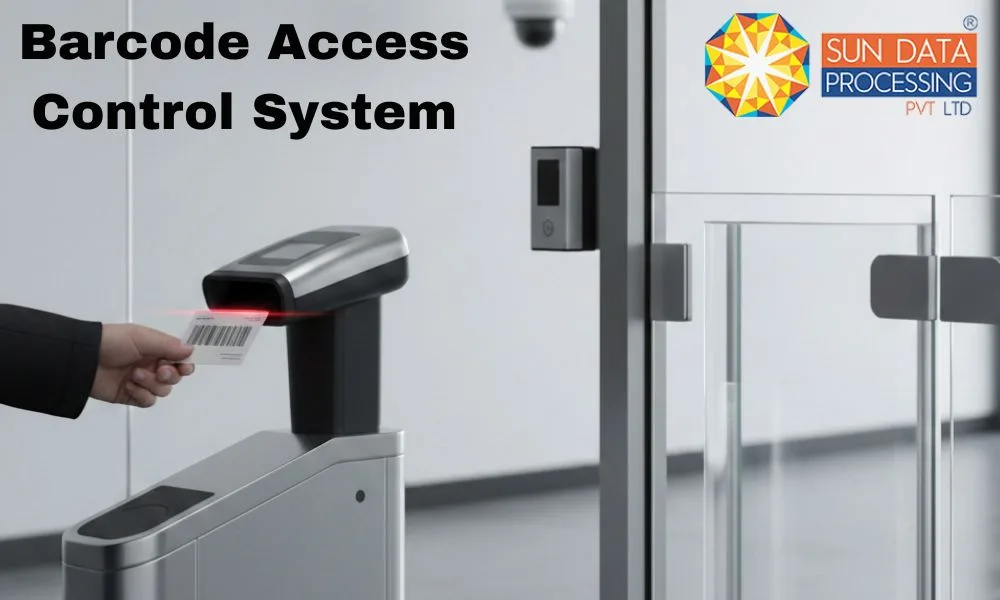
A barcode access control system is a type of security system that uses barcode-based cards or badges to control entry. Each barcode carries unique information linked to a user. When the barcode is scanned, the system checks whether access is allowed.
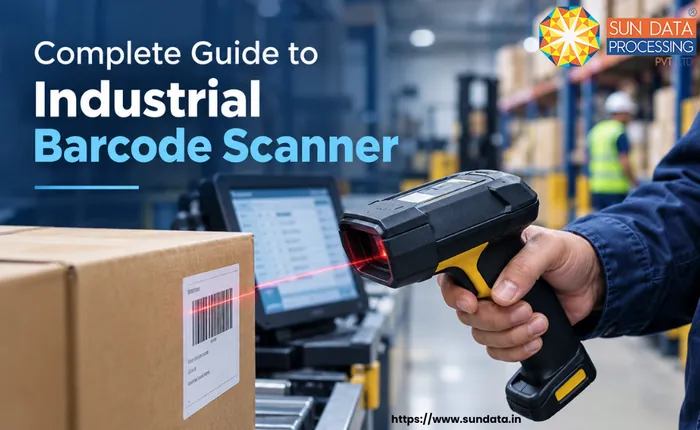
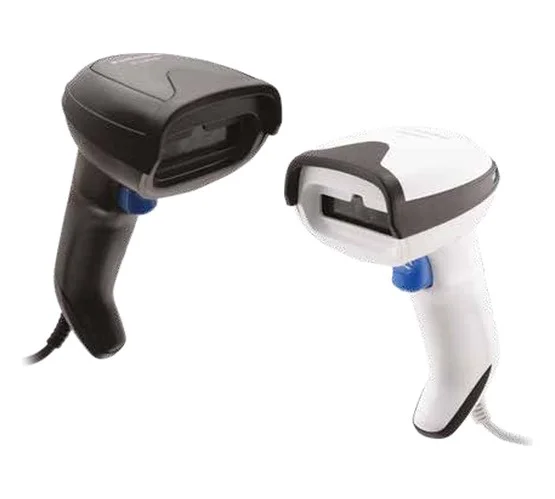
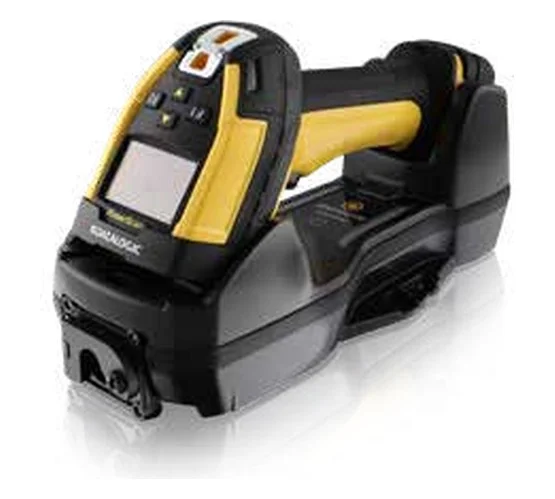
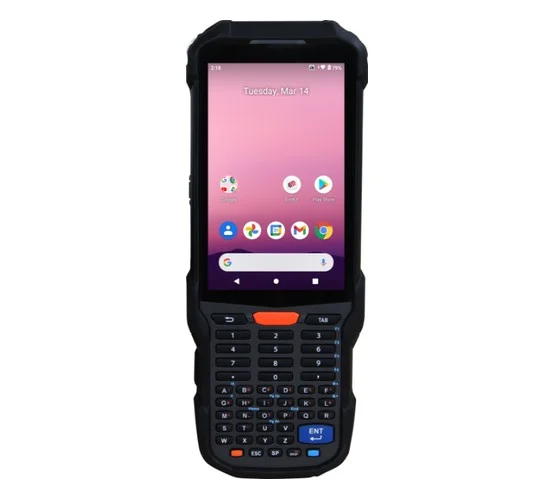
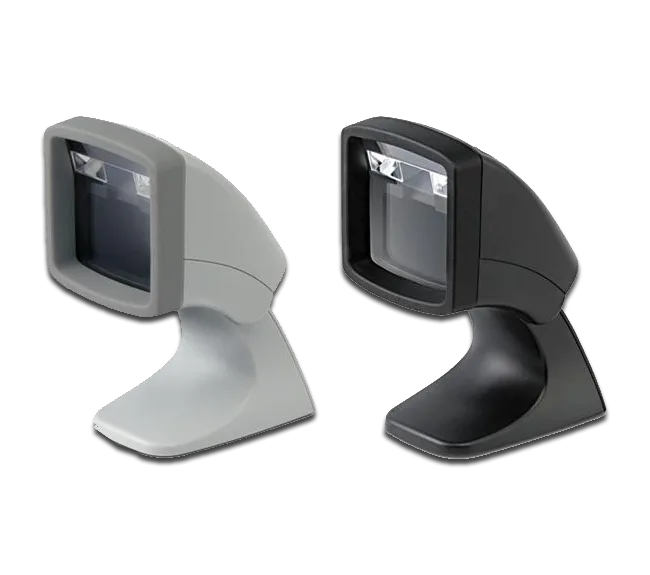
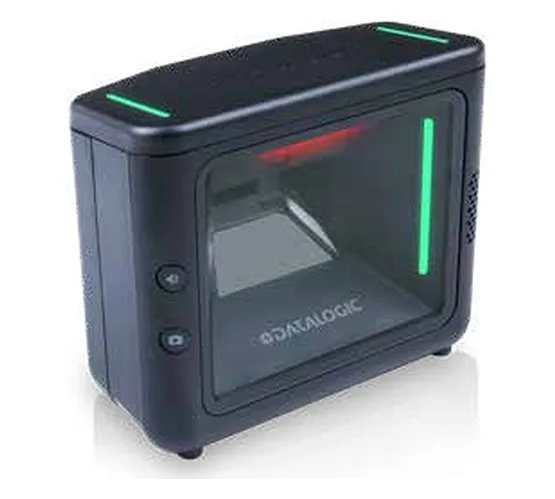
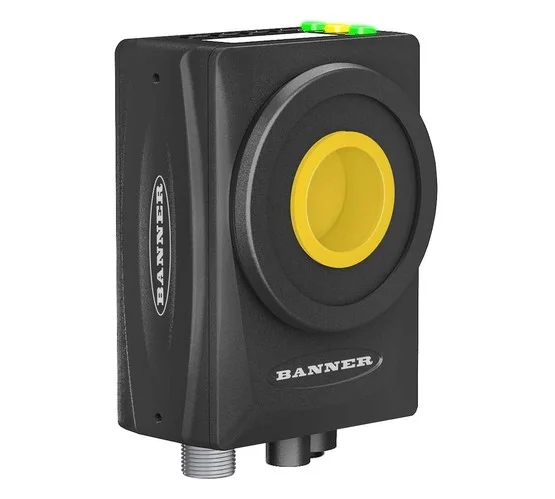
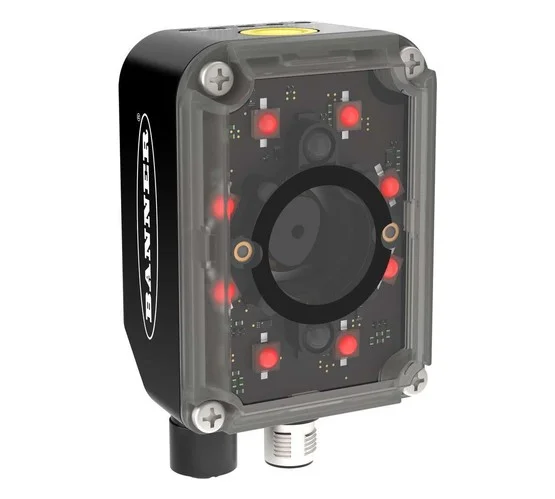
This system works with an access control barcode reader installed at entry points. The reader scans the barcode and sends the data to the system. Access is granted or denied based on predefined rules.
Many businesses choose barcode access control because it is simple to manage. Cards are easy to issue, replace, and update. This makes barcode access control suitable for offices, schools, and industrial facilities.
How Does a Barcode Access Control System Work?
Step-by-Step Process
A barcode access control system follows a simple and structured process to manage entry. Each step plays an important role in making sure only authorized people can enter a specific area. The system works smoothly with minimal manual effort, which makes it suitable for daily business use.
Step 1: Barcode Card Issued to the User
The process begins when a barcode card or badge is given to an employee, visitor, or contractor. Each barcode is unique and connected to a specific user profile in the system. This profile stores basic details like name, department, and access level.
Step 2: User Data Is Stored in the System
The barcode details are saved in the access control software. Admins assign access permissions based on job role or location. This step ensures users can enter only approved areas.
Step 3: Barcode Scanned Using Access Control Barcode Reader
At the entry point, the user presents the card in front of the access control barcode reader. The reader captures the barcode information within seconds. Physical contact is not required in most setups.
Step 4: Barcode Information Is Verified
The system receives the scanned data and checks it with stored records. It confirms whether the barcode is active and valid. Time-based or location-based rules are also checked during this stage.
Step 5: Access Is Granted or Denied
If all conditions match, the system sends a signal to unlock the door or gate. If the barcode is invalid or permission is missing, access remains blocked. This helps prevent unauthorized entry.
Step 6: Entry Details Are Logged for Records
Each scan is recorded with date and time. These logs help security teams review movement history and handle audits when required.
Key Component of a Barcode Access Control System
A barcode access control system works properly only when all its components function together. Each part has a specific role in managing access and maintaining security. These components help in smooth scanning, verification, and record keeping.
Barcode Cards or Badges
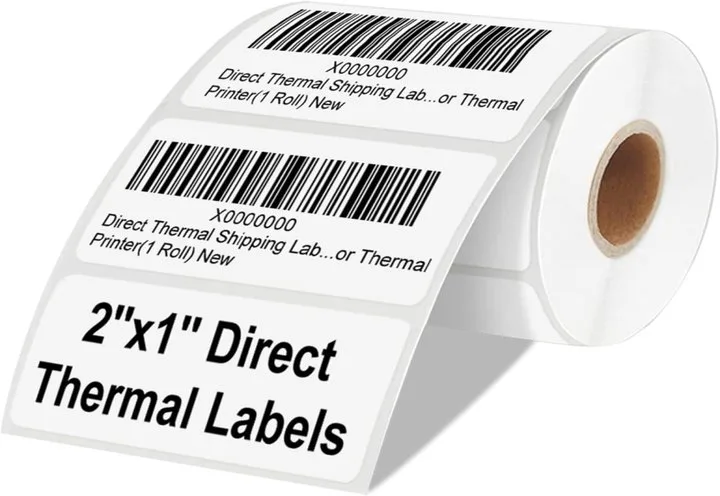
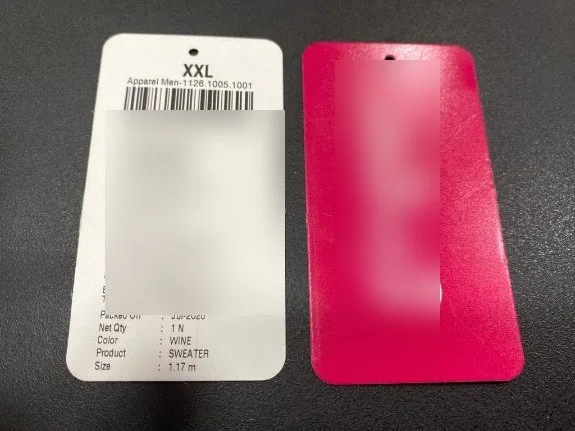
These cards contain a printed barcode that represents a unique user ID. Employees or visitors use these cards to request access at entry points. Cards are easy to issue and replace when needed.
Access Control Barcode Reader
This device scans the barcode from the card or badge. The reader captures the data quickly and sends it to the system for checking. It is usually installed near doors, gates, or entry points.
Control Panel or Access Controller
The control panel acts as the system’s decision-making unit. It receives data from the barcode reader and checks it against stored access rules. Based on the result, it allows or blocks entry.
Access Control Software
The software stores user information and access permissions. Admins use it to manage barcode data, assign access levels, and review entry records. Reports and logs are also generated through this system.
Door Lock or Gate Mechanism
This component controls the physical opening and closing of doors or gates. It receives signals from the controller when access is approved. Electronic locks are commonly used in barcode access control systems.
Database and Reporting System
All entry and exit data is saved in a central database. This helps in monitoring movement and checking security history. Reports can be used for audits or internal reviews.
Key Benefits of Barcode Access Control Systems
Barcode access control systems support businesses that need structured and reliable entry management. These systems help reduce security risks while keeping daily operations smooth and organized.
Simple Access Management
Barcode cards are easy for employees to carry and use. Entry takes only a quick scan, which avoids delays at doors or gates. Admin teams can assign or remove access rights without technical difficulty.
Budget-Friendly Security Setup
Compared to advanced security systems, barcode access control requires less hardware and setup cost. Maintenance stays affordable over time. This makes it suitable for businesses with limited security budgets.
Better Control Over Restricted Areas
Different access levels can be assigned to different users. Sensitive areas remain accessible only to authorized people. This helps prevent internal misuse and unauthorized movement.
Reliable Entry and Exit Records
Every barcode scan is saved in the system with accurate time details. These records help in attendance tracking and security audits. Management can review movement history whenever required.
Quick Response to Lost or Misused Cards
A lost card can be blocked instantly from the system. A replacement card can be issued without affecting other users. This reduces the risk of security breaches.
Common Applications of Barcode Access Control
Barcode access control systems are used in industries where security, accountability, and controlled movement are important. These systems help organizations manage access without complex procedures or heavy manual checking.
Jewellery Industry
In the Jewellery industry, jewellery units deal with high-value gold, diamonds, and gemstones. Barcode access control is used to restrict entry to vaults, polishing rooms, and design sections. Only authorized staff can enter sensitive zones, which helps reduce internal theft and handling risks. Entry records also help management review staff movement during working hours.
Office Buildings and Corporate Spaces
Corporate offices use barcode access control to manage daily employee entry. Restricted cabins, data centers, and meeting rooms stay protected. Entry logs help HR teams track movement and maintain workplace discipline.
Automotive Industry
Automotive plants have multiple restricted areas such as assembly lines, testing labs, and quality check zones. Barcode access control ensures only trained and approved workers can enter these areas. This supports safety rules and avoids unauthorized interference in production processes.
Factories and Manufacturing Units
Manufacturing facilities use barcode access control to limit access to machinery and raw material storage areas. Workers are allowed entry based on their role and shift timing. This helps reduce accidents and improves operational control.
Warehouses and Storage Facilities
Warehouses store valuable inventory that requires protection. Barcode access control readers are placed at entry points to control staff movement. Role-based access reduces chances of stock loss and unauthorized handling.
How Sun Data Processing Helps in Barcoding Solutions
Sun Data Processing provides reliable barcoding solutions that support secure and smooth access control operations. The focus remains on practical implementation that suits different business needs. Solutions are designed to work well across various industries.
Sun Data Processing offers barcode access control systems that are easy to install and manage. Businesses can control entry points without complex infrastructure. The systems support accurate data capture and consistent performance.
Customized barcoding solutions are provided based on operational requirements. Access levels can be defined for different users and locations. This helps organizations maintain control without increasing workload.
Sun Data Processing also supports system integration with existing software. Entry data can be linked with attendance or security records. Ongoing support ensures the system continues to work without disruption.
FAQ
1. How secure is barcode access control?
Barcode access control provides reliable security for controlled environments. Access permissions and entry logs help prevent unauthorized movement. Lost cards can be blocked immediately.
2. Can barcode access control be used for employee attendance?
Yes, entry data from barcode access control systems can be used for attendance tracking. Scan records show entry and exit times clearly.
3. What happens if a barcode card is lost?
The lost card can be deactivated from the system. A new card can be issued without affecting other users or access settings.
4. Can barcode access control work with multiple entry points?
Yes, barcode access control systems can manage multiple doors or gates. Access rules can be set separately for each entry point.
5. Does barcode access control require internet access?
Most barcode access control systems work on a local network. The Internet is needed only for remote monitoring or cloud-based access.
Conclusion
A barcode access control system offers a practical way to manage entry in different business environments. It helps control access, maintain security, and keep accurate records without complex processes. The use of barcode cards and access control barcode readers makes daily operations simple and efficient.
Industries such as offices, warehouses, retail, jewellery units, and automotive plants benefit from structured access management. With the right barcode access control setup and reliable support from providers like Sun Data Processing, businesses can maintain safety while keeping operations organized and cost-effective.