








Every business owns different types of assets, such as machinery, equipment, computers, or vehicles. Managing these assets properly can save money, reduce risks, and improve efficiency. Asset management helps businesses keep track of their assets, maintain them in good condition, and plan for future needs.
Using a structured system for asset management allows companies to make better decisions about buying, maintaining, and replacing assets. It also ensures that every asset is used effectively, reducing waste and unnecessary costs.
Good asset management is not just for big companies. Even small businesses can benefit by keeping an organized record of their assets, monitoring their usage, and planning maintenance schedules.
What is Asset Management?
Asset management is the process of keeping track of a company’s physical and digital assets. This includes knowing where each asset is, its condition, value, and how it is being used. The goal is to make sure assets provide maximum benefit and last longer.
It involves planning, tracking, and maintaining assets throughout their life cycle. This can include buying new equipment, scheduling maintenance, upgrading technology, and eventually replacing outdated items.
Asset management also helps businesses reduce unexpected costs. By knowing the status of every asset, companies can prevent breakdowns, avoid unnecessary purchases, and make informed financial decisions.
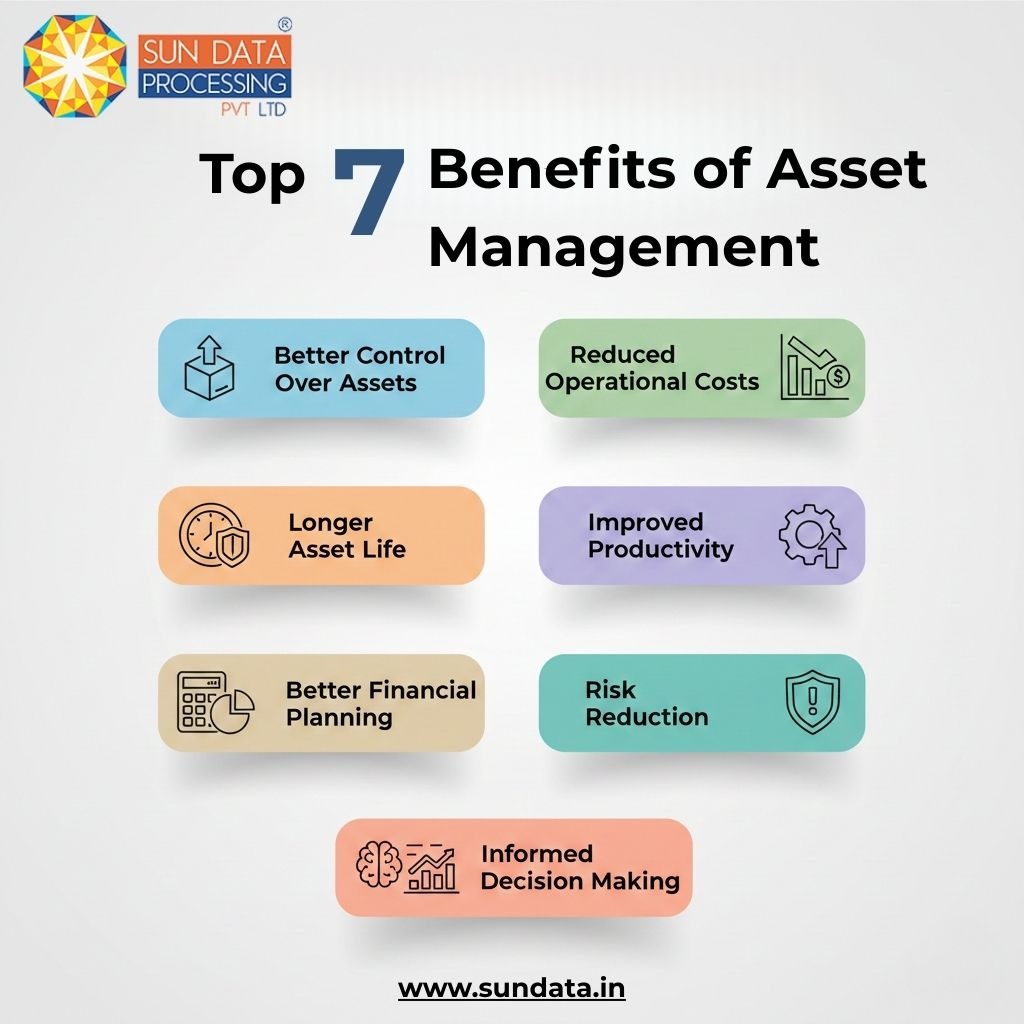
Top 7 Benefits of Asset Management
Asset management plays an important role in business growth. It helps companies stay organized, reduce waste, and improve daily operations. Below are the major benefits of asset management explained in detail.
1. Better Control Over Assets
Asset management gives full visibility of all business assets. Companies can see what assets they own, where they are placed, and who is using them. This reduces confusion and improves accountability.
Clear records prevent assets from getting lost or misplaced. Managers can quickly check asset details without searching through paperwork. This saves time and improves control across departments.
2. Reduced Operational Costs
Unplanned expenses can affect business profits. Asset management helps reduce these costs by tracking asset usage and condition. Companies can avoid buying duplicate equipment because they already know what is available.
Planned maintenance also reduces sudden repair costs. Small issues can be fixed early before they turn into major problems. This helps in better cost control.
3. Longer Asset Life
Every asset has a life cycle. Proper asset management ensures that assets are maintained regularly. Regular servicing keeps equipment in good condition for a longer time.
Well-maintained assets perform better and require fewer replacements. Businesses can delay large investments by extending the life of existing equipment.
4. Improved Productivity
Equipment breakdown can slow down work. Asset management reduces downtime by keeping track of maintenance schedules. Employees can work smoothly when machines and tools function properly.
Reliable assets create a stable work environment. Teams complete tasks on time without unnecessary interruptions. This directly improves overall productivity.
5. Better Financial Planning
Accurate asset data helps businesses plan their budgets wisely. Managers can predict future repair or replacement costs based on asset performance.
Clear reports make financial planning easier. Businesses can allocate funds properly instead of facing sudden expenses. This creates better financial stability.
6. Risk Reduction
Asset management reduces risks related to theft, damage, and compliance issues. Proper tracking ensures that assets are monitored at all times.
Documentation also helps during audits and inspections. Businesses can show records easily and meet regulatory requirements without stress.
7. Informed Decision Making
Good decisions depend on accurate data. Asset management provides real-time information about asset performance and usage.
Management teams can decide whether to repair, upgrade, or replace assets based on facts. This improves long-term business planning and reduces guesswork.
How Asset Management Works?
Asset management works through a structured step-by-step process. Each step helps businesses track, maintain, and manage assets properly.
Step 1: Asset Identification
The first step is identifying all business assets. Companies prepare a complete list of equipment, vehicles, computers, machinery, and other valuable items. Important details such as purchase date, cost, serial number, and location are recorded. This creates a proper asset register.
Step 2: Asset Tagging and Recording
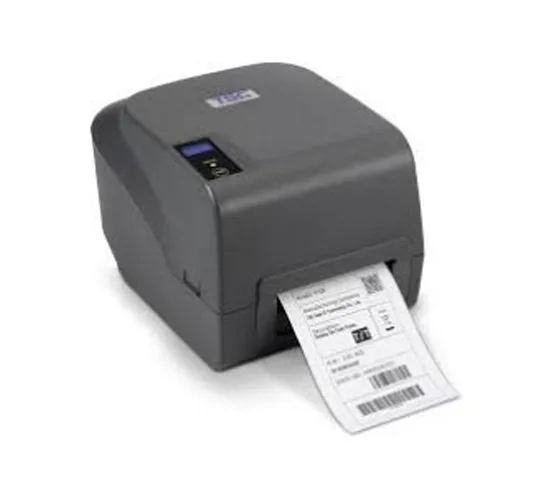
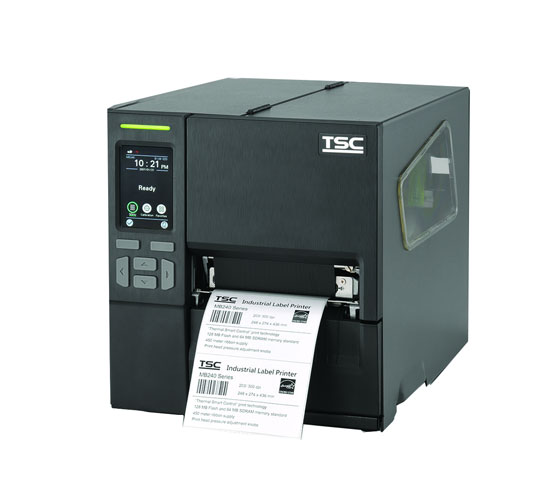
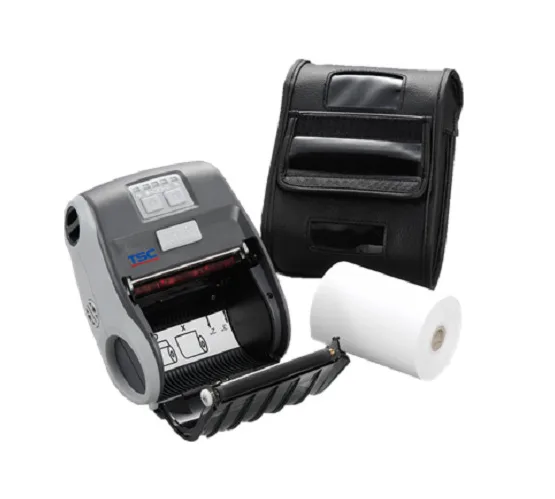
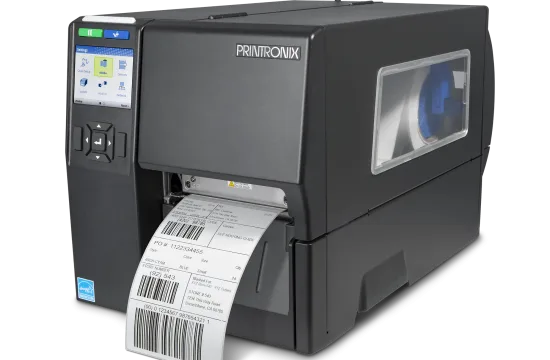
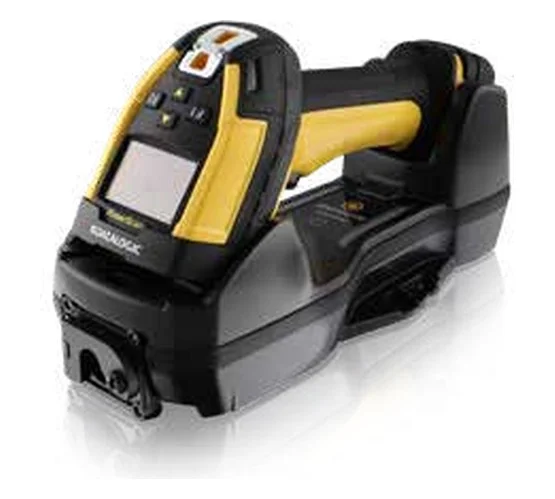
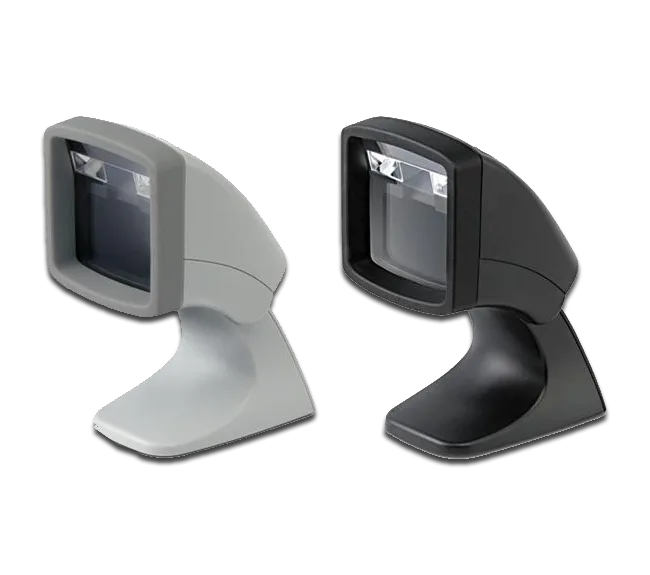
Each asset is tagged for easy tracking. Businesses use barcodes, QR codes, or asset management systems to store data digitally. Digital records reduce paperwork and make information easy to access. Managers can check asset details anytime.
Step 3: Asset Tracking
Tracking helps businesses know where assets are and how they are being used. Regular monitoring prevents misuse or loss. Reports show which assets are underused and which are overused. This helps in better allocation.
Step 4: Maintenance Management
Maintenance schedules are created for every important asset. Regular servicing keeps equipment in good working condition. Early repairs prevent major breakdowns. This reduces downtime and saves money.
Step 5: Performance Review
Asset performance is reviewed from time to time. Businesses analyze data to check if assets are giving proper returns. This helps management decide whether to repair, upgrade, or replace an asset.
Step 6: Asset Disposal or Replacement
Old or damaged assets are removed properly. Businesses sell, recycle, or replace outdated equipment. Proper disposal keeps records clean and ensures better financial planning.
FAQ
1. What is the main purpose of asset management?
The main purpose of asset management is to track, maintain, and use business assets properly. It helps reduce costs, improve efficiency, and increase asset life.
2. Who needs asset management?
Every business that owns equipment, vehicles, or digital tools needs asset management. Small businesses and large companies both benefit from it.
3. What are the types of assets in asset management?
Assets can be physical, such as machinery and vehicles, or digital, such as software and IT systems. Both types need proper tracking and maintenance.
4. How does asset management reduce costs?
Asset management prevents unnecessary purchases and reduces repair expenses. Regular maintenance also avoids sudden breakdown costs.
5. How often should assets be reviewed?
Assets should be reviewed regularly based on business needs. Many companies check asset performance monthly or quarterly to ensure proper usage.
Conclusion
Asset management helps businesses stay organized and in control of their valuable resources. It improves efficiency, reduces unnecessary costs, and supports better planning. A structured system ensures that assets are properly tracked, maintained, and used in the right way.
Clear asset data makes daily operations smoother and supports smarter financial decisions. Companies that follow a proper asset management process face fewer breakdowns and less confusion.
Businesses that use reliable asset management solutions like Sun Data Processing can simplify tracking, maintenance, and reporting in one place. A well-managed asset system builds stability and supports long-term growth.