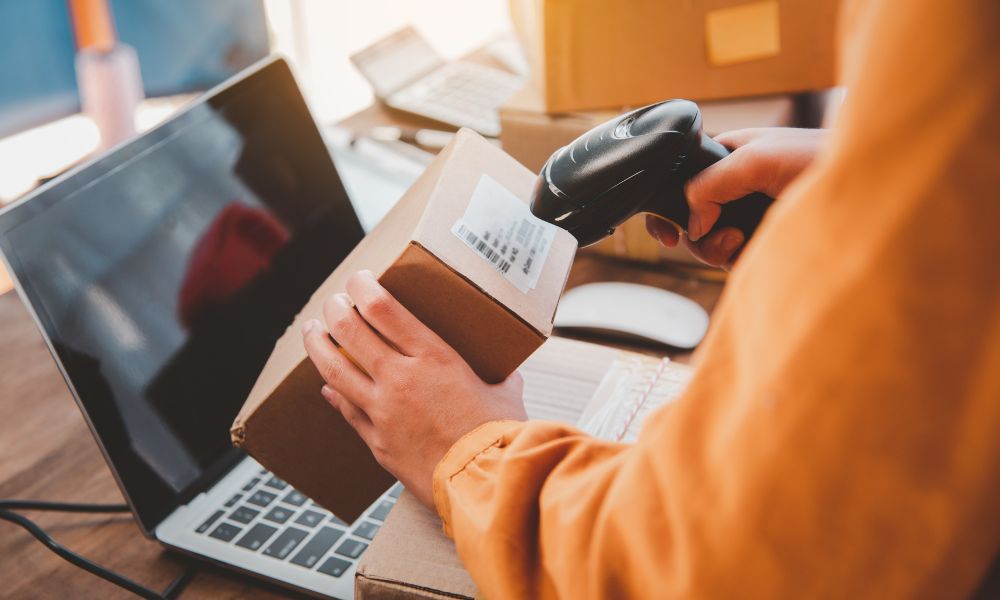
In today’s market, counterfeit products are becoming a serious concern for buyers and businesses alike. From cosmetics and electronics to medicines and clothing, fake items can not only cause financial loss but may also harm health and brand reputation. To avoid such risks, one effective method is to check the barcode of a product online.
Barcodes contain unique product information that helps in identifying the authenticity of an item. With the help of barcode scanning tools or online platforms, customers can verify whether the product details match the original manufacturer's records. This method is simple, quick, and useful for both buyers and sellers who want to ensure they are dealing with genuine products.
The Role of Barcodes in Verifying Product Authenticity
Barcodes are essential in tracking product details such as origin, brand, and batch number, and they play a major role in inventory management, making it easier to monitor stock movement and reduce errors. More importantly, they play a key role in verifying whether a product is genuine or not.
Each barcode contains specific product details like the manufacturer’s name, product type, batch number, and production date. When scanned using a barcode reader or entered into an online verification platform, these details should match the official product information from the manufacturer. If the details don’t match or the code doesn’t exist in the system, it may indicate that the product is counterfeit.
This process is widely used in sectors like healthcare, electronics, consumer goods, and fashion, where product duplication is common. By checking the barcode, retailers, suppliers, and customers can confirm whether the product they are handling is real and properly documented.
The Importance of Authenticating Products Through Barcodes
Authenticating products through barcodes helps prevent the circulation of fake or low-quality goods in the market. For customers, this means increased safety and confidence while purchasing items, especially in sensitive categories like medicine, food, and electronics.
For businesses, verifying barcode authenticity protects their brand image and reduces the risk of selling counterfeit products. It also helps in maintaining accurate records of inventory and product movement throughout the supply chain.
In many industries, barcode-based authentication has become a standard practice to ensure compliance with quality standards and regulatory requirements. It also supports better customer service by allowing quick responses to complaints or returns, as each product can be traced back to its source. Overall, using barcodes for product verification brings transparency and trust to the buying process, making it a practical solution for everyone involved.
How to Check a Barcode Online: Step-by-Step Process
Verifying a product’s authenticity using its barcode is a simple yet powerful method. By checking the barcode online, you can confirm whether the product information matches the manufacturer's database. Here's how you can do it step-by-step:
Locate the Barcode on the Product
Start by finding the barcode printed on the product or its packaging. It is usually located on the back or bottom of the box. Most products carry either a linear barcode (also called a 1D barcode) or a QR code (2D barcode). This code stores unique data that represents the product’s identity.
Note the Barcode Number
Just below the barcode lines, you will notice a numerical code, usually containing 8, 12, or 13 digits. This number is the actual code you will need to enter into an online barcode lookup system. It represents the Global Trade Item Number (GTIN), which includes formats like UPC, EAN, or ISBN depending on the product type and region.
Use an Online Barcode Checker
Once you have the barcode number, use an online platform that allows you to check product details using that code. Many e-commerce websites, brand websites, and mobile apps offer barcode checking features to help customers verify product authenticity.
For example, some official brand websites allow users to enter or scan a product's barcode to confirm whether it is part of their genuine inventory. In some cases, product packaging may also mention a website or verification link where you can enter the code to check if the product is original.
Enter the Barcode Number Carefully
Once you reach the appropriate barcode checking platform whether it’s a brand’s official website or an authorized product verification page you will usually find a field to input the barcode number. Enter the entire numeric code exactly as it appears on the product packaging. Even a single missing or incorrect digit can lead to inaccurate results or errors. It’s important to double-check the number before submitting to avoid confusion during the verification process.
Match the Product Information with the Barcode Result
After entering the barcode number, the platform will display information related to that specific product. This typically includes the product name, brand, packaging size or model, and sometimes the manufacturer's name and country of origin. Compare these details with the physical product in your hand. If everything aligns correctly, such as brand name and product type, it’s a good sign that the item is genuine. However, if the data is missing, mismatched, or not found at all, it may indicate that the product is not officially registered, or worse, it could be counterfeit.
Use Barcode Scanner Mobile Apps for Quick Checks
If you're shopping in a store or need to verify a product instantly, barcode scanner apps can be very useful. These apps use your smartphone’s camera to read the barcode directly and show product details on the screen. Many apps are available for both Android and iOS devices and support different types of barcodes, including QR codes and traditional linear codes. Some apps are also connected to online product databases, allowing real-time verification. Always prefer apps that are well-rated and known for accuracy and security.
Tips to Ensure Barcode Authenticity for Products
While checking a barcode online is an effective method to verify product authenticity, it is not the only step you should rely on. Counterfeiters often try to copy or manipulate barcodes to make fake products look real. To be more confident about the product you’re purchasing, here are some practical and easy-to-follow tips:
Buy from Trusted Sellers or Official Websites
To avoid counterfeit products, always make your purchases from reliable sources. Platforms like Sundata, which are known for offering only genuine and verified products, are a safer option for online shopping. Whether you're buying electronics, cosmetics, or daily-use goods, trusted sellers like Sundata follow proper inventory systems and ensure that the products they sell carry valid barcodes and original packaging.
Examine the Barcode’s Print Quality
A genuine product will usually have a neat and properly printed barcode. Look at the clarity, alignment, and spacing of the barcode lines. If the barcode appears blurry, misaligned, scratched off, or poorly printed, it may be a sign of a fake product. Manufacturers maintain high printing standards, so any sign of tampering or low-quality packaging should raise suspicion.
Cross-Check Product Details with Barcode Results
Once you enter the barcode number into an online checker or scan it using an app, compare the displayed product information with the actual product in hand. Pay attention to key details such as product name, brand, weight or size, and manufacturer information. Even small mismatches in spelling or packaging color may indicate that the product is not original. A valid barcode should match every detail precisely.
Avoid Products with Multiple or Overlapping Barcodes
Genuine products typically contain one clearly marked barcode per item or packaging. If you see more than one barcode on a single item, especially if one seems to be covering another, it could indicate tampering. Overlapping barcodes or sticker barcodes on top of printed ones are often used by counterfeiters to hide the original or misleading codes.
Look for Brand-Specific Authentication Features
Many reputed brands use additional safety features like QR codes, holograms, scratch-off verification codes, or serial numbers. These codes are unique to each item and can often be verified directly on the brand’s official website or app. If the product packaging mentions such a feature, make sure to check it. The presence of these features along with a valid barcode adds more certainty to product authenticity.
FAQ
1. Can I check any product barcode online?
Yes, many products have barcodes that can be checked online. However, the ability to verify the barcode depends on whether the manufacturer has registered the product information with an online database or platform. Some brands also offer their own verification tools.
2. What should I do if the barcode shows no result online?
If the barcode doesn’t return any result, first double-check the number you entered. If it’s correct and still shows nothing, the product might not be registered online, or it could be counterfeit. In such cases, it's best to contact the brand or avoid using the product.
3. Are QR codes the same as barcodes?
QR codes are a type of 2D barcode that can store more information than traditional linear barcodes. They are often used for product verification, especially by brands that offer mobile scanning options or website links through QR codes.
4. Is scanning a barcode with a mobile app safe?
Yes, using a well-rated and verified barcode scanning app is generally safe. Make sure to use apps from trusted sources like Google Play Store or Apple App Store, and avoid apps that request unnecessary permissions or show suspicious ads.
5. Can barcodes be faked or reused on fake products?
Yes, counterfeiters sometimes copy real barcodes and place them on fake products. That’s why checking the barcode alone is not always enough. It should always be combined with other checks like packaging quality, seller authenticity, and brand verification features.
conclusion
In today’s market, verifying product authenticity is important for both consumers and sellers. With the growing risk of counterfeit goods, checking the barcode online has become a simple and effective way to confirm whether a product is genuine. Barcodes carry essential information about the product, and by using reliable tools or platforms to verify them, customers can avoid buying fake or unregistered items.
However, barcode verification should not be the only step. It’s also important to check packaging quality, compare product details, and purchase items from trusted sources. By combining these methods, buyers can make safer decisions and protect themselves from poor-quality or duplicate products.
