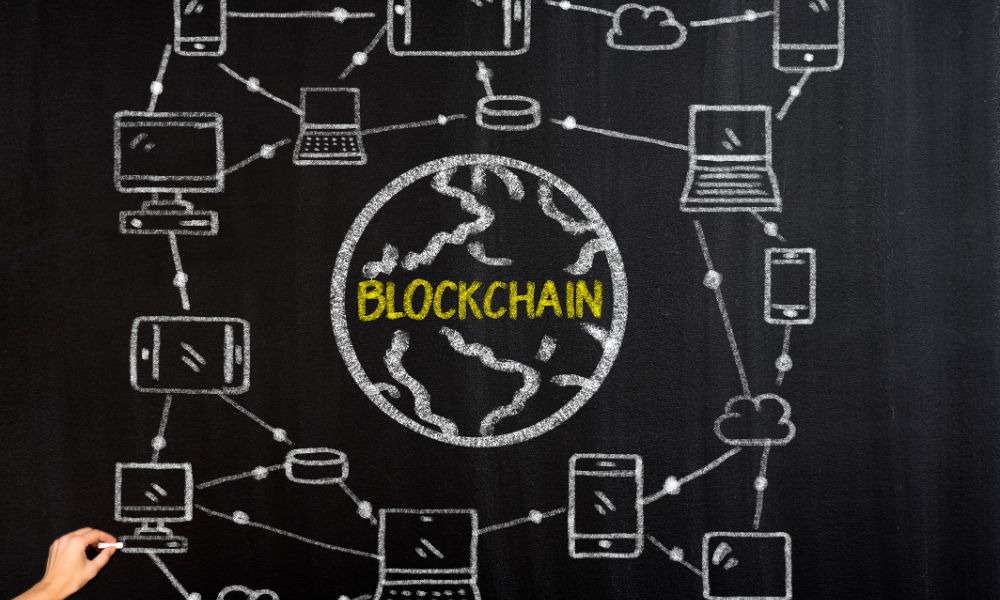
In supply chain and logistics, keeping track of where a product comes from, how it moves, and who handles it is known as product traceability. With rising consumer awareness, strict regulations, and growing demand for quality control, businesses are under pressure to maintain full transparency across the supply chain. Traditional tracking methods often rely on siloed data and manual records, making the process slow and prone to errors
Blockchain integration is now being used to improve product traceability by offering a shared, tamper-proof record of every transaction. This technology makes it possible to track a product’s journey in real time, from origin to final delivery. It helps supply chain partners stay aligned and reduces the risk of fraud, counterfeiting, or loss
What is Blockchain Technology for Logistics?
Blockchain is a type of distributed ledger technology where data is stored in a secure, time-stamped, and unchangeable format. In logistics, it helps various parties manufacturers, transporters, warehouses, retailers access the same data in real time without needing a central authority.
Every transaction or movement of goods can be recorded as a “block” on this digital ledger. Once added, this information cannot be modified without agreement from all participants. This creates a transparent and trustworthy system where all stakeholders can monitor the supply chain without delays or misinformation. In logistics, blockchain is mainly used to share documents, confirm delivery, verify product origin, track temperature-sensitive goods, and reduce paperwork. It builds a more reliable and traceable supply chain network.
What is Blockchain Traceability?
Blockchain traceability refers to the process of recording and verifying every step a product takes throughout the supply chain using blockchain technology. It ensures that information about a product’s origin, production, handling, and delivery is securely stored and easily accessible to all authorized participants
Unlike traditional traceability systems, where data can be altered or lost, blockchain creates a permanent digital record that cannot be changed without approval from the entire network. This makes the tracking process more reliable and accurate. With blockchain traceability, businesses can confirm the authenticity of raw materials, check the conditions under which a product was stored or transported, and even detect if and where delays occurred. This level of visibility supports better decision-making and strengthens trust between supply chain partners.
Key Features of Blockchain Traceability
Blockchain traceability brings structure and security to supply chain data. It allows businesses to track every product movement and transaction in a reliable, tamper-proof manner. Here are the main features that make blockchain effective for product traceability:
Immutability
Once data is written to the blockchain, it cannot be modified or deleted. This prevents any unauthorized changes or manipulation of records. As a result, each entry becomes a trusted proof of activity that remains on the record permanently.
Transparency
Blockchain creates a shared environment where all authorized participants can access the same real-time information. This helps reduce data conflicts and makes it easier to verify claims related to product origin, shipment status, or quality control
Decentralization
The blockchain system does not rely on a single central authority. Instead, control is distributed across a network of participants. This shared control prevents data from being held by one party and builds greater trust between supply chain stakeholders.
Time-Stamped Records
Every transaction or product movement is recorded with an exact time and date. This helps trace the complete history of the product and identify delays, bottlenecks, or violations in storage and transport conditions.
Smart Contracts
Smart contracts are automated digital agreements that execute certain actions when predefined rules are met. For example, a contract can release payment once a shipment is confirmed as delivered, reducing delays and manual work.
Data Security
Blockchain uses encryption and access controls to keep information secure. Only authorized users can view or update data, which helps protect sensitive business and product details from being leaked or misused.
How Does Blockchain Traceability Work?
Blockchain traceability works by recording every step of a product's journey on a digital ledger that is shared, secure, and time-stamped. This system gives each participant in the supply chain access to the same accurate data, building a trusted network. Here is how the process works, step by step:
Data Collection at Source
The process begins when a product is manufactured or raw materials are collected. At this stage, details such as the origin of the item, production date, quality inspection results, batch numbers, and supplier credentials are recorded. This sets the foundation for reliable traceability from the very beginning of the supply chain.
Verification and Recording
As the product moves through each stage processing, packaging, warehousing, or shipping every handler adds their own information to the blockchain. This includes data like warehouse entry and exit time, transportation method, storage conditions (e.g., temperature for perishable goods), and quality checks. Each entry must be verified before it becomes part of the blockchain.
Block Creation
After data is verified, it is grouped into a "block." This block contains a bundle of recent transactions and links back to the previous block in the chain. Together, these blocks create a continuous, unbroken chain of information that forms the product’s complete digital history.
Consensus Mechanism
Before a block is added to the blockchain, it must be approved by the network using a process called consensus. This could involve various methods like proof-of-work or proof-of-authority, depending on the system. The consensus mechanism ensures that only valid and trusted data is recorded, blocking unauthorized or fraudulent entries.
Real-Time Sharing
Once the data is added, it is instantly shared with all participants who have permission to view the blockchain. This enables real-time updates on the product’s location, condition, and status. Supply chain partners can make timely decisions based on accurate, up-to-date information without relying on manual communication.
Final Delivery and Access to History
After the product is delivered to the final destination be it a retail store or end customer the full history remains available on the blockchain. This allows companies and regulators to perform audits, manage recalls, and confirm compliance with industry standards. The end-to-end traceability builds customer confidence and improves overall supply chain performance.
Benefits of Blockchain Traceability
Blockchain traceability brings multiple advantages to supply chain management by making product tracking more reliable, transparent, and secure. It helps companies reduce risks, improve compliance, and build stronger trust with customers and partners.
Improved Product Transparency
Every step of the product’s journey is recorded and visible to all authorized stakeholders. This clear view of movement, handling, and origin helps companies and customers verify the authenticity and quality of goods.
Faster Problem Identification
In case of product recalls, delays, or contamination, blockchain allows businesses to quickly trace the problem back to its source. This speeds up response time and helps limit losses and reputational damage.
Better Compliance with Regulations
Blockchain stores all required documentation in one secure, traceable system. This supports compliance with government and industry standards, especially in sectors like pharmaceuticals, food, and electronics.
Reduced Risk of Fraud and Counterfeiting
Tamper-proof records reduce the chance of fake or duplicate products entering the supply chain. With verified data at each step, it becomes harder for bad actors to manipulate the system.
Challenges & Solutions in Integrating Blockchain
Integrating blockchain into supply chains can significantly improve traceability, but it also presents some real-world challenges. Businesses need to understand these issues and apply practical solutions to make the integration smooth and effective.
Scalability Limitations
Most traditional blockchain networks can process only a limited number of transactions per second. As the volume of supply chain data grows, this can lead to slower processing and system delays. Solution: To handle larger volumes efficiently, developers are implementing layer-two protocols and additional systems built on top of the main blockchain. These increase speed and transaction capacity without compromising security. New blockchain architectures are also being designed to support high-scale operations with better performance.
Interoperability Between Blockchain Systems
Interoperability Between Blockchain Systems
Solution: Industry players are now focusing on creating common standards and developing cross-chain protocols. These technologies allow blockchains to communicate and share data securely, making it possible to transfer value or information between different systems without losing consistency.
User Adoption and Interface Complexity
Blockchain systems can be difficult to understand, especially for users with little technical background. Complicated interfaces and unfamiliar processes can discourage widespread adoption.
Solution: Developers are now prioritizing user-friendly interfaces and simplified processes to improve accessibility. Making blockchain applications easier to use will help companies train their teams faster and attract more participants into blockchain-based supply chains
High Initial Investment
Deploying a blockchain solution requires investment in infrastructure, development, and staff training, which can be a barrier for small or mid-sized businesses.
Solution: Starting with a small-scale pilot focused on a specific product line or process allows businesses to test the technology before expanding. This approach keeps costs low and reduces risk.
Data Privacy Concerns
Sharing data on a distributed network can raise concerns about privacy and control, especially when multiple competitors are involved in the same supply chain
Solution: Using permissioned blockchains allows businesses to control who can view and edit specific data. Encryption and access management tools further protect sensitive information
Future of Blockchain Traceability
Blockchain traceability is expected to become a key part of modern supply chains as industries focus more on accountability, transparency, and data accuracy. With growing demand for proof of product origin and handling, businesses are likely to invest more in secure tracking systems. Technologies like the Internet of Things (IoT) and artificial intelligence (AI) will work hand-in-hand with blockchain to automate data capture and improve decision-making. For example, IoT devices can monitor temperature or location of shipments in real time, while AI can detect potential disruptions and suggest solutions based on blockchain-stored data.
Additionally, developments in blockchain infrastructure are expected to improve scalability and interoperability, two current technical limitations. This will allow different blockchain networks to communicate more efficiently, supporting broader adoption across industries. Governments and regulators are also beginning to recognize blockchain’s potential in improving supply chain compliance, especially in sectors like food, healthcare, and international trade. In the future, consumers may be able to scan a product and instantly view its complete history, building stronger trust between brands and buyers. Overall, blockchain traceability is moving toward becoming a standard tool for creating more secure, efficient, and transparent supply chains.
Use Cases Across Industries
Blockchain traceability is being used in a wide range of industries to solve real problems related to tracking, data accuracy, and supply chain transparency. Each industry has its own unique needs, but the goal remains the same reliable and secure product information from origin to delivery.
Jewellery Industry
In the Jewellery Industry, blockchain is used to trace the origin of precious metals and gemstones like gold, diamonds, and rubies. This helps ensure that the materials are ethically sourced and conflict-free. Customers and retailers can verify details such as mining origin, certification, and ownership history, reducing the risk of counterfeit products and unethical practices.
Food and Agriculture
In the food industry, blockchain helps track products from farm to fork. It ensures that information about the source, harvest date, processing methods, and storage conditions is recorded. This is especially useful for perishable items and helps in quick recalls if a safety issue arises.
Automotive Industry
The automotive industry is using blockchain technology to bring more transparency and control to supply chains. Car manufacturers can track each part from the supplier to the assembly line, helping with quality checks, recalls, and regulatory compliance. Blockchain also supports detailed vehicle history tracking, which proves valuable during resale or servicing.
Pharmaceuticals
For medicine and healthcare products, blockchain helps prevent counterfeiting and ensures regulatory compliance. Each drug package can be tracked through production, packaging, shipping, and retail, allowing healthcare providers to verify authenticity and safety.
Chemical Industry
In the chemical industry, blockchain traceability helps monitor the movement and handling of raw materials and hazardous substances. It provides a transparent record of production processes, regulatory compliance, and safe transportation. This improves worker safety, helps in meeting environmental regulations, and simplifies product recalls in case of contamination or safety issues.
FAQ
1. How is blockchain different from traditional tracking systems?
Traditional systems often rely on centralized databases and manual inputs, which can lead to errors and delays. Blockchain creates a shared digital ledger that all parties can access in real time, reducing the risk of data loss, manipulation, or miscommunication.
2. Is blockchain traceability suitable for small businesses?
Yes, although the initial setup may require investment, many scalable and cost-effective blockchain solutions are now available. Small businesses can start with limited use cases or pilot projects and expand as needed.
3. Can blockchain traceability help with regulatory compliance?
Yes. By keeping an accurate and unalterable record of product data, blockchain supports compliance with various industry and government regulations, especially in sectors like pharmaceuticals, food, and chemicals.
4. How secure is blockchain for storing supply chain data?
Blockchain uses encryption, permissioned access, and decentralized validation to ensure data security. Once data is added, it cannot be changed without approval from the network, making it highly reliable for storing sensitive supply chain information.
5. How does blockchain traceability support product recalls?
Blockchain provides a clear and unchangeable record of every product’s path, including suppliers, batches, and handlers. If a faulty product is identified, companies can quickly trace the issue back to its source and remove affected items from circulation without disrupting the entire supply chain.
Conclusion
Blockchain traceability is changing how businesses manage product tracking and supply chain transparency. By creating a secure and shared digital record of every step from raw material sourcing to final delivery it helps companies maintain control, reduce risks, and build trust with partners and customers.
Despite some challenges like scalability, user adoption, and system integration, the benefits of blockchain traceability are clear. As more industries adopt this technology and as supporting tools become more user-friendly and scalable, blockchain will continue to play a stronger role in supply chain operations. For companies aiming to improve accountability and data accuracy, blockchain traceability is a practical step forward.
