Understanding product information is the first step toward smarter, safer shopping. Whether you're buying groceries, electronics, or personal care items, knowing what’s inside and how it's made helps you avoid costly mistakes.
In this blog, you’ll learn what product information really means, the types you should pay attention to, and how to use it to make better decisions. We’ll also share common mistakes to avoid and future trends changing how product details reach you.
What Is Product Information?
Product information means all the details about a product that help you understand what you’re buying. It includes things like ingredients, materials used, size, features, safety warnings, and how to use the item. This information is usually found on product packaging, labels, manuals, or websites.
For example, if you're buying a shampoo bottle, the product information will show you the ingredients, how to use it, who it's best for (dry or oily hair), expiry date, and brand name. If you’re buying a mobile phone, it will list things like storage, battery life, screen size, and warranty. These small details help you know if the product is right for you before spending your money.
Types of Product Information
There are different types of product information that serve different purposes. Knowing them helps you make smarter buying decisions. Some of the most important types include:
- Basic Details: Product name, brand, model, size, and price.
- Usage Instructions: How to use, store, or apply the product safely.
- Ingredients or Materials: What the product is made of especially important for food, cosmetics, or clothing.
- Safety Warnings: Alerts about allergens, choking hazards, flammability, or side effects.
- Certifications: Eco-labels, safety marks (like ISI or CE), or quality assurance symbols.
- Origin and Manufacturing Info: Where the product was made and how it was sourced.
- Warranty or Guarantee Terms: What’s covered, and for how long.
Each of these helps you decide if a product is safe, genuine, and worth your money.
Why Product Information Is Important for Consumers
Product information is more than just fine print it protects you. It helps you understand exactly what you're buying and whether it fits your needs, values, and safety concerns. When you know what’s inside a product or how it works, you’re less likely to waste money, fall for fake claims, or buy something that could harm you or your family.
For example, reading the label on a packaged snack can help you avoid allergens. Checking a gadget’s energy rating can save you money on electricity. Looking at eco-certifications lets you support sustainable products. These small steps make a big difference. With the right information, you feel more confident, in control, and satisfied with your purchases.
Common Consumer Mistakes to Avoid
Many buyers skip reading product information and regret it later. One common mistake is not checking expiry dates on food or skincare products, which can lead to health issues. Another is ignoring warranty terms, only to find out repairs aren’t covered when something breaks. Some consumers don’t verify certifications and end up with low-quality or fake products.
Sometimes people rush to buy items during sales or by looking only at price, without checking details like size, usage instructions, or materials. This often leads to returns, disappointment, or even harm. Reading product information might take a minute, but it can save you money, time, and stress.
Tips for Smarter Buying Decisions
Making the right purchase isn’t just about the price, it's about knowing what you’re really getting. Here are some simple but powerful steps to follow before you buy anything:
Always Read the Label or Packaging
The first thing to check is the product label. It shows you the name, size, ingredients or materials, expiry date, and usage instructions. These small details help you understand if the product suits your needs and whether it's safe for you or your family.
Check Warranty and Guarantee Terms
For electronics, appliances, or even furniture, check the warranty period and what it covers. This protects you if something goes wrong after buying. A product with a clear guarantee is always a better choice.
Look for Certifications and Safety Marks
Genuine products often carry official marks like ISI, CE, ISO, or eco-certifications. These show that the product meets safety and quality standards. Avoid items that make big claims without proof.
Verify Product Information on Websites or Apps
When shopping online, scroll through the full product description. Check technical details, specs, size, and manufacturer info. Many brands also include QR codes or digital guides for extra details.
Read Customer Reviews and Compare Alternatives
Before hitting “Buy,” take a minute to read user reviews. Real feedback helps you avoid problems others face. Also, when comparing similar products sometimes a slightly higher-priced item offers better quality or longer life.
The Future Trends in Product Information Technology
The way we receive and understand product information is changing fast. New tools and technologies are making it easier for consumers to make informed choices. Here are some major trends shaping the future:
Smart Labels and QR Codes
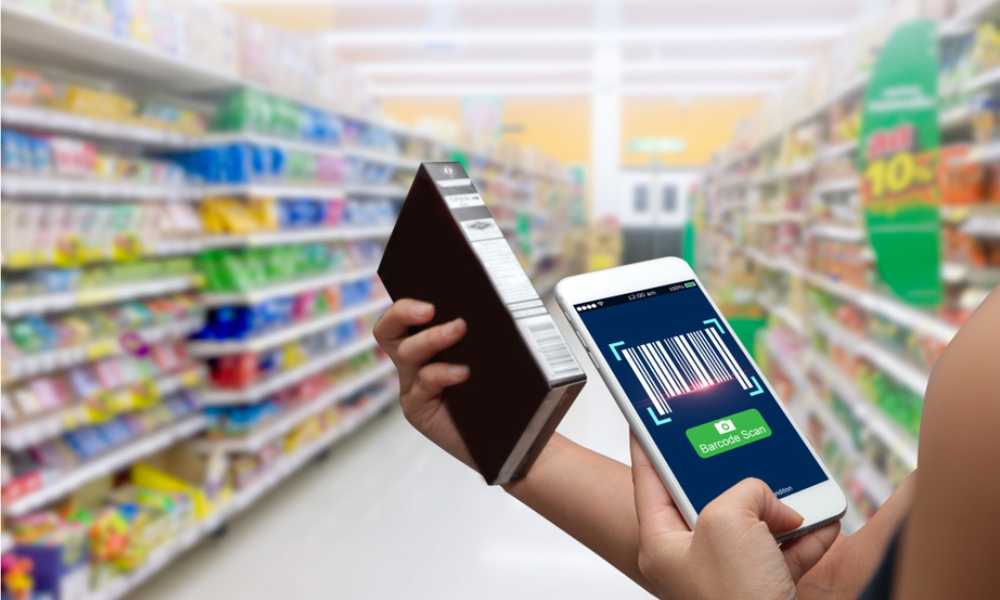
Many products now come with smart barcode labels or QR codes. By scanning them with your phone, you can access detailed info like ingredients, origin, safety guidelines, and even video tutorials. This makes checking product facts easier and more reliable.
Real-Time Product Data Updates
Some brands offer live spec sheets that are updated instantly if there’s a change in the product, packaging, or safety alerts. It helps consumers stay up to date without needing to search manually.
Blockchain for Transparency
Blockchain technology is being used to show the complete journey of a product from raw material to shelf. It builds trust by proving that the product is genuine, ethically sourced, and not tampered with.
AI-Based Product Tagging and Suggestions
E-commerce platforms are using AI to show smarter product suggestions based on user needs. AI also helps in highlighting the most important product details that match what a buyer is looking for, saving time and effort.
Voice Search and Visual Recognition Tools
Soon, you’ll be able to ask your smart assistant questions like “Is this product safe for kids?” or “What’s the shelf life?” and get accurate answers using product data. Visual recognition will also allow you to take a picture and get instant info about the item.
How does Sundata support product information transparency?
Sundata Processing Pvt. Ltd. delivers end-to-end solutions in barcode systems, labeling, and product data management to help businesses simplify, standardize, and streamline product information. Their core products include barcode printers, scanners, labels, ribbons, and RFID solutions supported by expert services like data labeling, serialization, inventory tracking, and smart labeling integration. Sundata’s solutions are designed to ensure accuracy, traceability, and compliance, helping businesses present clear and verified product details across physical packaging and digital platforms.
They serve a wide range of industries including FMCG, pharmaceuticals, food and beverages, logistics, manufacturing, healthcare, retail, and automotive, making it easy for these sectors to meet regulatory requirements and build consumer trust. With centralized data handling, QR code support, and real-time updates, Sundata plays a vital role in improving product information transparency ensuring that the right information reaches the right people at the right time.
FAQs
1. Is product information the same for all products?
No, it changes based on the product type. Food, electronics, and clothing all show different details.
2. Can I trust the product details given online?
Usually yes, but always check reviews, images, and certifications to be sure it's genuine.
3. What should I do if I can’t find enough product information?
If key details are missing, avoid the product or contact the seller for more information.
4. Why do certifications matter in product information?
Certifications prove the product meets safety and quality standards, making it more trustworthy and reliable.
5. How can I tell if product information is fake or misleading?
Check for marks like ISI, ISO, or BIS. Read reviews and avoid products with big claims but no proof.
Conclusion
Product information isn’t just a label, it's your guide to smarter, safer, and more satisfying buying decisions. Whether you're shopping online or in a store, knowing what to look for from ingredients to certifications helps you protect your health, money, and peace of mind. As technology improves with smart labels, QR codes, and tools like Sundata’s labeling and data solutions, it’s easier than ever to get reliable product details. When you pay attention to the right information, you shop with more confidence and avoid costly mistakes. Always read, compare, and verify because informed buyers make better choices.
