
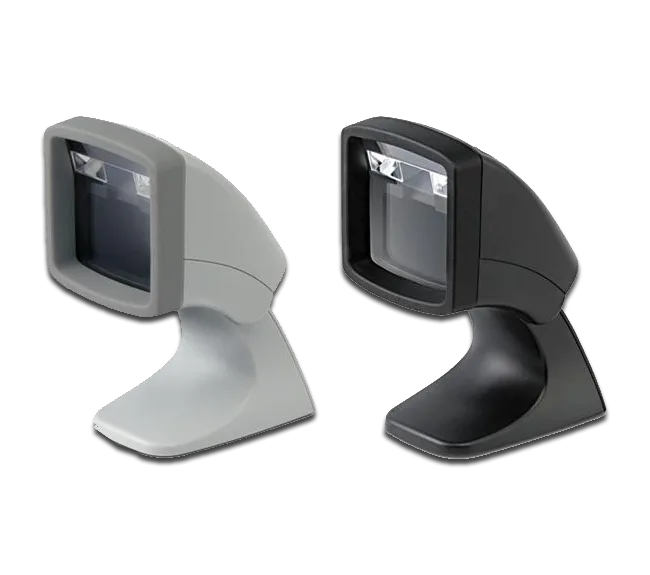
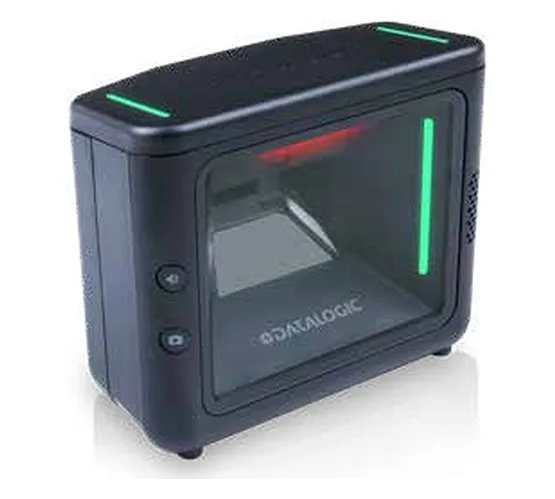

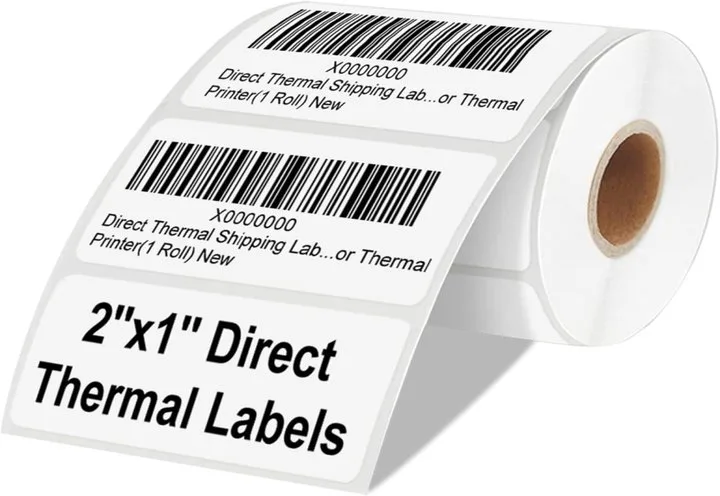
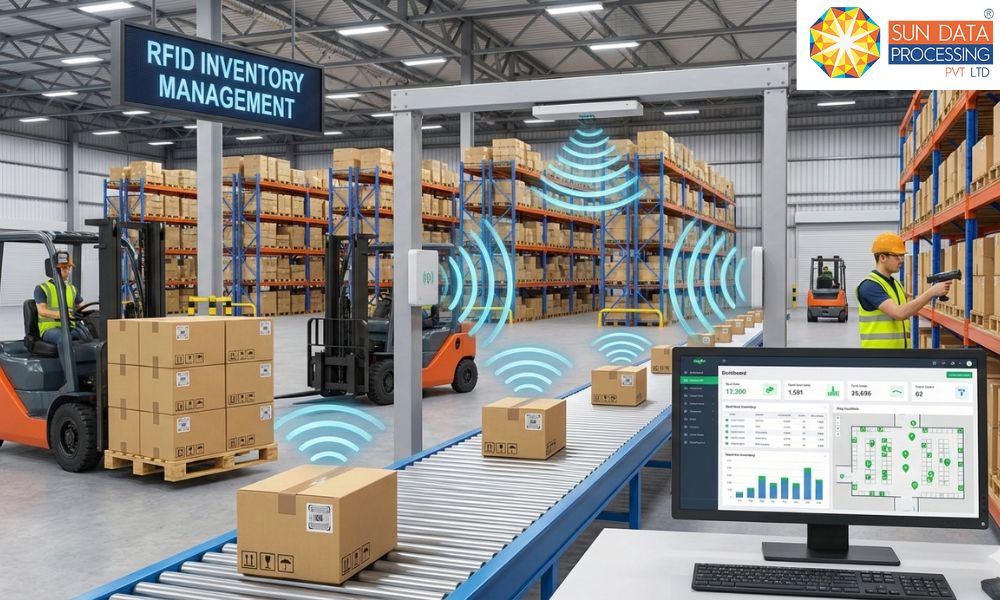
Inventory control plays a big role in daily business operations. When stock records are not accurate, it leads to delays, losses, and customer complaints. Many businesses still depend on manual counting or barcode scanning, which takes time and often causes mistakes.
RFID in inventory management helps businesses track items in a faster and more reliable way. RFID inventory tracking allows companies to know where their products are without checking each item one by one. This makes stock handling easier in warehouses, retail stores, and distribution centers.
Today, RFID technology in inventory management is used by businesses that want better visibility and control over their stock. This guide explains how RFID works, how it is implemented, and the key benefits of RFID systems in inventory management in simple and practical terms.
What Is RFID in Inventory Management?
RFID in inventory management refers to the use of radio waves to identify and track inventory items automatically. Each product is attached with an RFID tag that stores basic information. These tags communicate with RFID readers without the need for direct contact.
RFID inventory management removes the need for manual scanning of barcodes. Multiple items can be tracked at the same time, even when they are packed inside boxes or pallets. This makes inventory handling faster and more accurate. RFID technology in inventory management is widely used in warehouses, retail stores, and supply chain operations. It helps businesses maintain real-time stock records and reduces errors caused by manual data entry.
How Does RFID Technology Work in Inventory Management?
RFID changes the way inventory data moves across warehouses and stores. This process helps teams track stock movement clearly and without delays.
1 Item Tagging
Each product, carton, or pallet is fitted with an RFID tag. The tag carries a unique code that identifies the item throughout storage, handling, and shipping. This identity stays with the product at every stage of inventory movement.
2. RFID Readers and Scanners
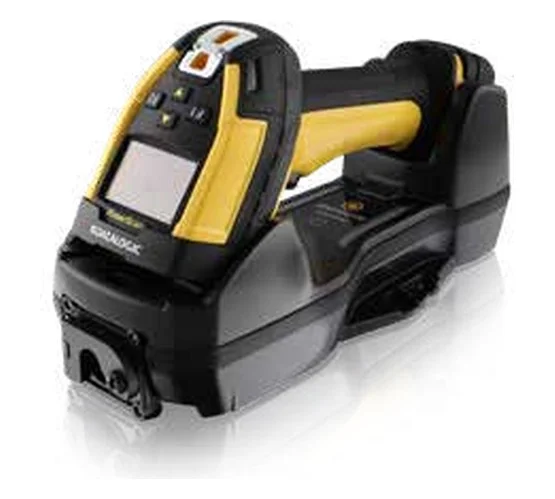
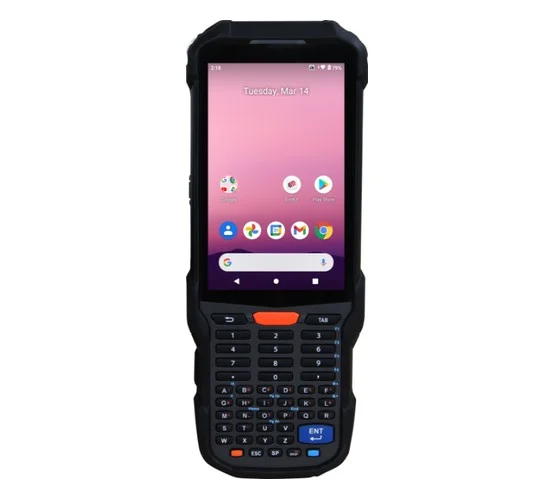
RFID readers are placed at key operational points such as entry gates, storage zones, and picking areas. These readers automatically capture tag data when items pass nearby. Multiple items are read at the same time, which reduces manual effort.
3. Data Transfer to Inventory System
The information captured by readers is sent directly to the inventory management system. This data connects with existing software and updates records without manual entry. Every stock movement gets logged as it happens.
4. Live Inventory Visibility
Inventory teams gain access to real-time stock status across locations. Incoming goods, internal transfers, and outgoing shipments remain visible at all times. This clarity helps reduce stock gaps and operational delays.
How to Implement RFID in Inventory Management
RFID implementation starts with clear planning and goal setting. Businesses need to understand what they want to track and where RFID will add value. A structured approach helps avoid confusion during setup.
Identify Inventory Tracking Needs
The first step involves defining which items require RFID tracking. Some businesses track individual products, while others track cartons or pallets. This decision depends on inventory volume and operational complexity.
Select RFID Tags and Hardware
RFID tags, readers, and antennas must match the business environment. Tag type depends on factors such as material, storage conditions, and read range. Readers should be placed at key movement points to capture accurate data.
Integrate RFID with Inventory Software
RFID data needs to connect with the existing inventory management system. Proper integration allows automatic stock updates and reporting. This step ensures RFID inventory management works smoothly with daily operations.
Test and Train the Team
Testing helps confirm that tags are readable and data flows correctly. Staff training is important so teams understand how to handle tagged inventory. This reduces errors during daily use.
Key Benefits of RFID in Inventory Management
RFID technology transforms how businesses manage stock. Using RFID inventory management, companies can track items in real time, reduce errors, and make operations faster and more efficient.
Improved Inventory Accuracy
RFID inventory tracking automatically updates stock records whenever an item moves. This eliminates mistakes caused by manual counting or barcode scanning. Accurate records ensure businesses know exactly how much stock is available, preventing overstocking or shortages.
Faster Stock Movement Tracking
RFID readers can scan multiple items at once, even if they are stacked or packed in boxes. This allows warehouses to record goods quickly during receiving, storage, and dispatch. It reduces delays and keeps the supply chain running smoothly.
Improved Warehouse Visibility
RFID technology in inventory management gives a clear picture of where items are stored. Staff can quickly locate products, reducing the time spent searching. This also helps with order picking and replenishment, making operations more efficient.
Reduced Labor Effort
Manual scanning, data entry, and paperwork take time and often cause errors. RFID reduces these tasks significantly, allowing employees to focus on more critical activities like packing, shipping, or quality checks. This improves productivity across the warehouse.
Better Loss Prevention and Security
RFID helps track missing, misplaced, or stolen items. Alerts and automatic logs make it easier to identify where items went missing. This improves security and reduces losses in inventory-intensive operations.
Real-Time Reporting and Decision Making
RFID systems provide live data on stock levels, movements, and trends. Managers can make faster decisions on ordering, replenishment, and allocation. Real-time reporting also helps in analyzing demand patterns and improving overall inventory planning.
Use Cases of RFID in Inventory Management
RFID technology helps businesses track inventory quickly, accurately, and in real time. It is useful across industries where items are high in value, volume, or movement.
Retail Inventory Management
Retail stores use RFID to track products on shelves and in storage rooms. It prevents stockouts, speeds up restocking, and reduces manual scanning during audits. Customers can find products more easily.
Warehouse and Distribution Centers
Warehouses use RFID to track pallets, cartons, and individual products. It improves order accuracy, reduces picking errors, and saves time during receiving and dispatch.
Jewellery Industry
Jewellery stores use RFID to monitor high-value items like rings, necklaces, and watches. It helps prevent theft, track each piece accurately, and maintain real-time inventory records. RFID also assists in auditing and locating items instantly.
Healthcare and Pharmaceuticals
Hospitals and pharmacies track medicines, equipment, and supplies. RFID ensures correct stock levels, prevents expired items from being used, and improves patient safety.
Manufacturing and Production
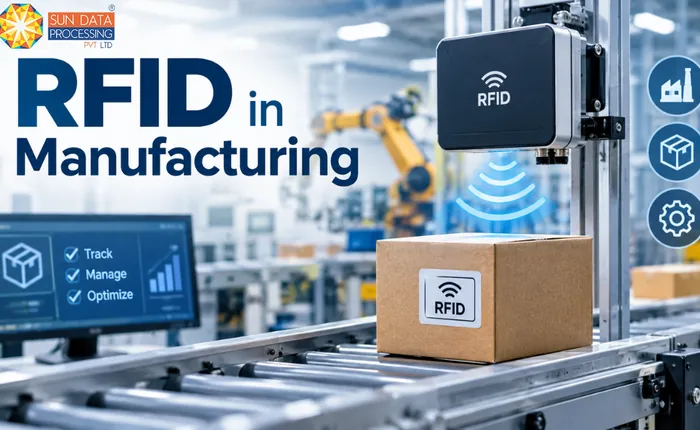
Factories monitor raw materials and finished products. RFID ensures items are available for production, reduces downtime, and keeps track of work-in-progress goods.
Garments and Fashion Industry
Garment stores and fashion brands attach RFID tags to clothes, shoes, and accessories. This helps track stock in stores and warehouses, manage sizes and colors, and speed up sales and returns. It also improves inventory accuracy during seasonal sales.
Challenges of Implementing RFID in Inventory Management
RFID improves inventory control, but businesses may face certain challenges while adopting it. Understanding these helps in planning a smoother implementation.
High Initial Costs
Setting up an RFID system requires purchasing tags, readers, antennas, and software. For large warehouses or multiple store locations, the initial investment can be significant. Small businesses may find this expensive, even though the long-term savings and efficiency gains often justify the cost.
Integration with Existing Systems
RFID data must work seamlessly with current inventory management software. Sometimes, existing systems are not ready to handle real-time RFID data, which can lead to errors or delays. Businesses may need extra time and technical support to ensure proper integration.
Physical and Environmental Limitations
RFID signals can be affected by materials like metal, liquids, or dense packaging. Improper placement of tags or readers may lead to missed scans or inaccurate data. Careful planning and testing are needed to avoid these problems and ensure reliable tracking.
Staff Training and Process Changes
Employees need training to use RFID systems effectively. Staff must understand how to handle tagged items, operate readers, and interpret inventory data. Without proper guidance, the system may not be used to its full potential, reducing its benefits.
Future Trends of RFID in Inventory Management
RFID technology is evolving quickly, and businesses can expect new developments that make inventory management more efficient. Future RFID tags will become smaller, lighter, and more durable. This will allow even small items like jewelry or delicate garments to be tagged without affecting their appearance or handling.
Cloud-based RFID systems are becoming more common, enabling real-time inventory tracking across multiple locations. These systems allow easy data sharing and better decision-making from anywhere. Businesses can monitor stock movement instantly and coordinate operations across warehouses and stores.
Integration of RFID with IoT sensors and AI is another growing trend. This combination can predict stock shortages, optimize warehouse layouts, and automate replenishment based on demand patterns. Advanced analytics from RFID data helps managers identify trends, reduce waste, and plan inventory more accurately, improving overall supply chain efficiency.
FAQ
1. What is the main purpose of RFID?
The main purpose of RFID is to identify, track, and manage items automatically using radio signals. It helps businesses monitor inventory movement in real time without manual effort.
2. What is RFID vs. barcode?
RFID can read multiple items at the same time without direct visibility, even through packaging. Barcodes require line-of-sight scanning and can only be read one item at a time.
3. What are the three main components of RFID?
The three main components of RFID are RFID tags that store item data, RFID readers that capture the data, and software systems that process and manage inventory information.
4. What materials are used in RFID?
RFID systems use silicon microchips, antennas made from copper or aluminum, and outer layers made of plastic, paper, or protective film.
5. Can RFID pass through glass?
Yes, RFID signals can pass through glass easily. This makes RFID useful for tracking items stored inside display cases or enclosed areas.
Conclusion
RFID in inventory management helps businesses track stock with better accuracy and less manual effort. It provides real-time visibility of inventory movement across warehouses, stores, and supply chains. This reduces errors, saves time, and supports better daily operations.
RFID inventory tracking is useful for industries that handle large volumes, high-value items, or fast-moving stock. When implemented with proper planning and training, RFID technology in inventory management helps businesses maintain control, reduce losses, and improve inventory planning in the long run.