



Warehouse operations depend on accurate tracking, quick movement of goods, and proper inventory control. Many businesses now look for smarter ways to manage stock and reduce manual errors. Technology plays an important role in improving warehouse efficiency.
RFID in warehouse management has become one of the most useful technologies for modern warehouses. It helps businesses track items automatically without manual scanning. This system saves time, improves accuracy, and provides real-time visibility of inventory.
Many companies are now adopting RFID in warehouse management system to handle large volumes of goods and maintain better control over inventory. The use of RFID in warehouse management supports faster operations and better decision making.
This guide explains what is RFID in warehouse management system, how it works, and the benefits of RFID in warehouse management for businesses.
What is RFID in Warehouse Management System?
RFID in a warehouse management system refers to the use of Radio Frequency Identification to track and manage inventory automatically. This technology uses radio signals to identify and capture information stored on tags attached to products, pallets, or containers.
In simple terms, RFID in warehouse management allows warehouses to track items without manual barcode scanning. Each item carries a small RFID tag that stores product information. RFID readers placed in the warehouse capture this data and send it to the warehouse management system.
This system gives real-time information about inventory location, movement, and stock levels. Warehouse staff can quickly check where products are stored and when they move in or out of the warehouse.
Many businesses now use RFID in warehouse management systems to reduce manual work, improve inventory accuracy, and manage large warehouse operations more efficiently.
Understanding RFID
Radio Frequency Identification is a wireless technology used to identify and track objects using radio waves. Businesses use this technology in many industries to monitor products, assets, and inventory without direct contact.
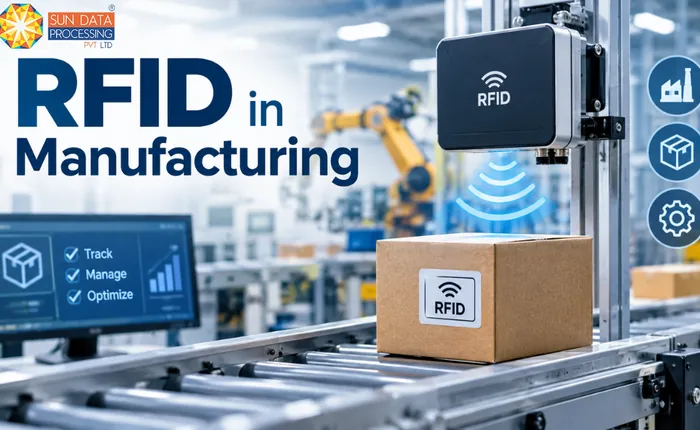
An RFID system mainly works with three important components: RFID tags, RFID readers, and software. The tag stores information about the product, while the reader captures the data from the tag using radio signals. The system software then processes the data and sends it to the warehouse management system.
RFID tags are small devices attached to products, pallets, or cartons. Each tag contains a unique identification number that helps the system recognize the item quickly. Readers installed in different areas of the warehouse collect this information automatically.
This process helps warehouses track goods faster and with better accuracy. Many businesses prefer rfid in warehouse management because it reduces manual scanning and improves inventory visibility.
How Does RFID Work in Warehouse Management? (Step-by-Step Process)
Radio Frequency Identification helps warehouses track products automatically through radio signals. The process works in several simple steps.
Step 1: RFID Tagging of Products
Warehouse staff attach RFID tags to products, cartons, or pallets. Each tag stores a unique identification number and product information.
Step 2: Product Enters the Warehouse
When tagged items arrive at the warehouse, RFID readers placed at the entry gate detect the tags automatically. The system records product details and updates the inventory.
Step 3: Data Captured by RFID Readers
RFID readers send radio signals to read the data stored in the tags. This process happens without physical contact or manual scanning.
Step 4: Information Sent to Warehouse System
Captured data is transferred to the warehouse management system. The system stores details such as product ID, quantity, and location.
Step 5: Real-Time Inventory Tracking
The system updates inventory in real time. Warehouse managers can see stock levels, product movement, and storage locations instantly.
Step 6: Product Movement Tracking
When items move from one area to another, RFID readers detect the movement and update the system automatically.
Step 7: Dispatch and Outbound Tracking
RFID readers at dispatch points record items leaving the warehouse. The system updates inventory and confirms shipment details.
Key Benefits of RFID in Warehouse Management
The benefits of RFID in warehouse management help companies manage inventory more efficiently and reduce common warehouse problems such as stock mismatch, manual errors, and slow processes.
Faster Inventory Tracking
RFID technology allows warehouses to read multiple items at the same time. Traditional barcode systems require staff to scan each item separately, which takes more time. RFID readers can capture information from many tags in a few seconds.
Better Inventory Accuracy
Manual data entry and barcode scanning can sometimes lead to mistakes in stock records. RFID reduces these issues because the system collects product information automatically from RFID tags. Accurate data helps businesses maintain correct stock levels and avoid problems like overstocking or stock shortages.
Real-Time Inventory Visibility
Real-time visibility is one of the major advantages of rfid in warehouse management. Warehouse managers can see where each product is located inside the warehouse. The system updates information whenever items move from one location to another. This helps staff find products quickly and improves order processing speed.
Reduced Labor Effort
Warehouse staff spend a lot of time scanning items, checking stock, and updating records manually. RFID automates many of these tasks. Less manual work reduces labor effort and also lowers the chances of human errors.
Faster Receiving and Dispatch Operations
RFID readers placed at warehouse entry and exit points automatically record items moving in or out. The system quickly updates the warehouse database. This helps businesses process incoming shipments and outgoing orders much faster.
Improved Warehouse Productivity
Efficient tracking, accurate data, and faster operations help warehouses run smoothly. Employees spend less time searching for products or correcting stock errors. This increases overall warehouse productivity and supports better supply chain management.
Importance of RFID in Modern Warehouse Management
Modern warehouses manage a large number of products every day. Manual tracking methods often cause delays and stock errors. Radio Frequency Identification helps businesses track inventory automatically and maintain accurate stock records.
The use of RFID in warehouse management gives real-time visibility of inventory movement. Warehouse managers can quickly check where products are stored and how stock is moving. This helps improve order processing and reduces the chances of misplaced items.
Many companies are now adopting rfid in the warehouse management system to handle growing warehouse operations. Accurate tracking, faster inventory updates, and better stock control make RFID an important technology for modern warehouse management.
Applications of RFID in Warehouse Management
The use of RFID in warehouse management supports many important warehouse operations. Businesses use this technology to track products, improve inventory control, and manage warehouse activities more efficiently.
Inventory Tracking
Warehouses use Radio Frequency Identification to track inventory in real time. RFID tags attached to products allow the system to identify items automatically. This helps warehouse staff check stock levels and product locations quickly.
Goods Receiving
RFID readers placed at warehouse entry points detect tagged items as soon as they arrive. The system records product details and updates the inventory automatically. This reduces manual data entry during receiving operations.
Order Picking and Packing
RFID helps warehouse staff find the correct products faster. Accurate product identification reduces picking mistakes and improves order accuracy.
Shipment and Dispatch Tracking
RFID readers at dispatch areas record items leaving the warehouse. The system confirms shipment details and updates stock levels immediately.
Asset and Equipment Tracking
Warehouses can also use RFID to track equipment such as pallets, containers, and forklifts. This helps businesses monitor asset usage and prevent loss.
How to Implement RFID in Warehouse Management
Proper planning helps businesses successfully implement Radio Frequency Identification in warehouse operations. A clear step-by-step approach makes the use of RFID in warehouse management more effective.
Assess Warehouse Requirements
Start by analyzing warehouse operations and identifying areas where RFID can improve tracking and inventory control. Businesses should define goals such as faster inventory tracking, better accuracy, or improved shipment management.
Choose the Right RFID Hardware
Select suitable RFID tags, readers, antennas, and supporting hardware based on warehouse size and product type. Different warehouses may require different types of tags depending on materials, storage conditions, and reading distance.
Integrate RFID with Warehouse Management System
RFID technology should connect with the warehouse management software. This integration allows the system to receive tag data and update inventory information automatically.
Install RFID Readers in Key Locations
Readers should be installed at important points such as warehouse entry gates, storage areas, and dispatch zones. Proper placement ensures smooth tracking of products moving inside the warehouse.
Tag Products and Inventory Items
Attach RFID tags to products, cartons, or pallets. Each tag stores unique product information that helps the system identify items during movement and storage.
Train Warehouse Staff
Employees should understand how RFID systems work and how to handle tagged products. Proper training helps staff use the system correctly and avoid operational mistakes.
Test and Monitor the System
Run tests after installation to ensure readers capture data correctly. Regular monitoring helps identify issues early and keeps the rfid in warehouse management system running smoothly.
Common Challenges in RFID Implementation
Businesses often adopt Radio Frequency Identification to improve inventory tracking and warehouse operations. Proper planning is important because some challenges may appear during implementation.
High Initial Investment
RFID implementation requires hardware such as RFID tags, readers, antennas, and system integration. These components can increase the initial setup cost, especially for large warehouses with thousands of items. Businesses need to plan their budget carefully before starting the system.
System Integration Issues
RFID technology must connect smoothly with the warehouse management system. Incorrect integration may cause data synchronization problems or delays in inventory updates. Technical support and proper testing help ensure the system works correctly.
Signal Interference
RFID signals can sometimes face interference from materials like metal surfaces or liquids. Warehouses that store such products may experience reading issues if the system is not configured properly. Correct reader placement and suitable tag selection help reduce this problem.
Staff Training and System Handling
Warehouse staff need proper training to use the RFID system effectively. Employees should understand how tagged products move through the warehouse and how the system records data. Training helps reduce operational mistakes and ensures smooth warehouse processes.
How Sun Data Processing Supports RFID Implementation in Warehouses
Sun Data Processing helps businesses implement reliable RFID solutions for warehouse operations. The company provides complete support from planning to system deployment.
Sun Data Processing first analyzes warehouse requirements to understand inventory flow, storage structure, and tracking needs. Based on this assessment, the team recommends suitable Radio Frequency Identification hardware such as RFID tags, readers, and antennas. This helps businesses choose the right solution for their warehouse environment.
The company also supports system integration with warehouse management software. Proper integration allows RFID readers to send data directly to the system and update inventory in real time. This improves stock visibility and reduces manual data entry. Sun Data Processing also provides installation support, testing, and staff training. This ensures that the rfid in warehouse management system works smoothly and helps businesses manage warehouse operations more efficiently.
FAQ
1. What is the use of RFID in a warehouse?
The use of Radio Frequency Identification in warehouse management helps track products automatically, improve inventory accuracy, and update stock information in real time.
2. What does RFID mean in logistics?
In logistics, RFID means using radio signals to identify and track goods during storage and transportation.
3. Which is better, RFID or barcode?
RFID allows faster tracking because it can scan multiple items at once, while barcode requires manual scanning of each item.
4. What are the RF devices used in warehouses?
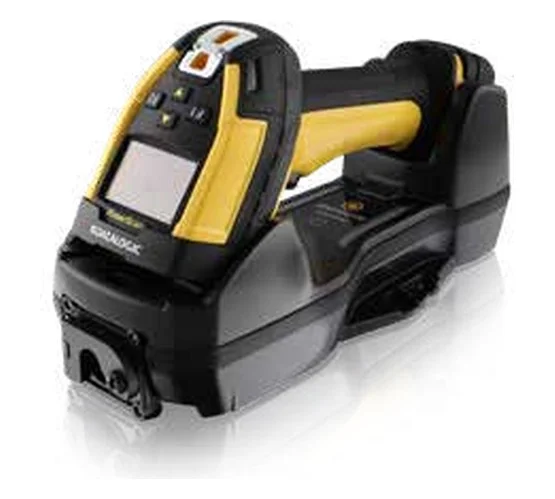
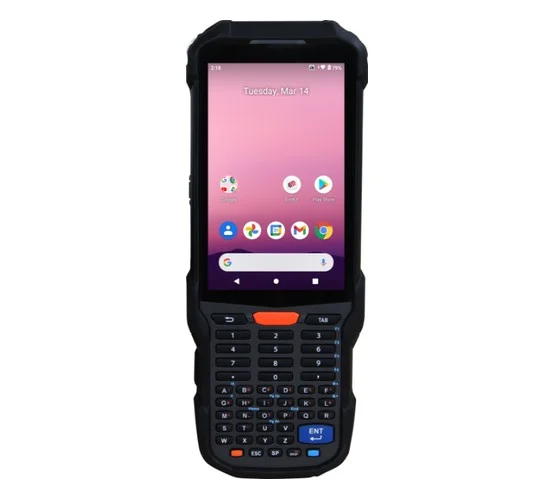
Common RF devices include RFID tags, RFID readers, antennas, and handheld scanners used for inventory tracking.
Conclusion
Radio Frequency Identification plays an important role in improving warehouse operations. The use of RFID in warehouse management helps businesses track inventory accurately, reduce manual work, and maintain real-time visibility of stock movement.
Many companies are adopting rfid in warehouse management systems to manage large volumes of inventory and improve operational efficiency. Faster tracking, better inventory control, and reduced errors make RFID a valuable technology for modern warehouses.
Sun Data Processing supports businesses with reliable RFID solutions designed for warehouse environments. With the right technology and proper implementation, warehouses can manage inventory more efficiently and improve overall supply chain performance.