







A warehouse plays a big role in the supply chain. It stores products, manages inventory, and prepares orders before they reach customers. As businesses grow, handling all these tasks manually becomes difficult. Delays, stock errors, and wrong shipments can affect customer satisfaction and increase operating costs. A Warehouse Management System (WMS) helps businesses organize warehouse operations in a better way. It keeps track of inventory, supports order processing, and helps warehouse teams complete daily work faster and with fewer mistakes. Today, businesses can choose from different types of WMS systems based on their size, budget, and business needs. Each type of warehouse management solution offers its own features and benefits. In this guide, we will explain the different types of warehouse management systems, their benefits, how to choose the right one, and the role of AI and machine learning in modern warehouse operations.
What is a Warehouse Management System (WMS)?
A Warehouse Management System (WMS) is software that helps businesses manage and control daily warehouse activities. It keeps track of inventory, monitors product movement, and supports tasks like receiving, storage, picking, packing, and shipping from one place.
A WMS gives real-time information about stock levels and warehouse operations. This helps businesses know where products are stored, how much inventory is available, and when new stock is needed. As a result, warehouse work becomes more organized and accurate.
There are different types of WMS systems available in the market. Each type of warehouse management solution is designed to meet specific business needs. Choosing the right option depends on factors such as warehouse size, number of orders, budget, and future growth plans.
5 Different Types of Warehouse Management System
Every business has different warehouse needs. Some companies need a simple solution to manage inventory, while others require advanced features to handle large warehouse operations. That is why there are different types of WMS systems available. Choosing the right one depends on your business size, budget, and operational requirements.
1. Standalone Warehouse Management System
A standalone WMS is software built only for warehouse operations. It helps businesses manage inventory, receiving, storage, picking, packing, and shipping without being connected to other business systems. This type of system is suitable for businesses that want dedicated warehouse features at a lower cost. Since it mainly focuses on warehouse tasks, companies may need separate software for accounting, purchasing, or transportation.
2. Cloud-Based Warehouse Management System
A cloud-based WMS is hosted online and can be accessed through the internet. Businesses do not need to install or maintain their own servers, making it a popular choice for small and medium-sized companies. This type of warehouse management system is easy to set up, receives automatic updates, and allows users to access warehouse data from different locations. It also offers better flexibility as business needs grow.
3. On-Premise Warehouse Management System
An on-premise WMS is installed on the company's own servers and managed by its internal IT team. Businesses have full control over the software, data, and security settings. Large organizations with strict security policies often choose this option. Although it requires a higher initial investment and regular maintenance, it provides greater customization to match specific business processes.
4. ERP-Integrated Warehouse Management System
An ERP-integrated WMS is part of a larger Enterprise Resource Planning (ERP) system. It connects warehouse operations with purchasing, inventory, sales, finance, and other business functions. This type of solution helps businesses share data across departments without switching between multiple software systems. It also improves planning and reduces data duplication.
5. Supply Chain Module-Based Warehouse Management System
This WMS works as part of a complete supply chain management platform. It connects warehouse operations with transportation, order management, manufacturing, and distribution. Businesses with complex supply chains often choose this option because it provides better visibility across the entire logistics process. Among the different WMS systems, this type is suitable for companies that manage multiple warehouses or operate across different regions.
How to Choose the Right Warehouse Management System
The right warehouse management system depends on your business needs. Warehouse size, order volume, inventory, and daily operations all play a part in selecting the right type of warehouse management solution.
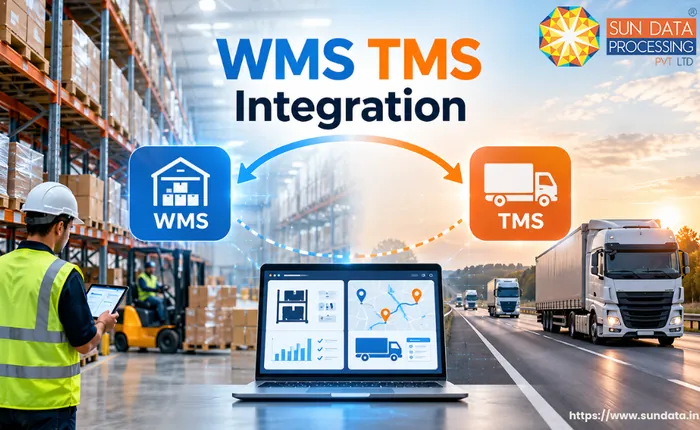
Your WMS should work smoothly with other business software such as ERP, accounting, transportation, or eCommerce platforms. Good integration saves time and reduces manual work.
Future business growth should also be considered. A system that can manage more inventory, users, and warehouse locations will continue to support your business as it expands. Ease of use is equally important. A simple interface, barcode scanning, mobile access, and real-time inventory tracking help warehouse staff complete tasks quickly and accurately. Cost should be compared with the features and support the software offers. Before making a final decision, review the available types of WMS systems and compare the different WMS systems to choose the one that best fits your business.
Benefits of Selecting the Right Warehouse Management System
The right warehouse management system improves daily warehouse work in many ways. It helps businesses manage stock in a more structured way and reduces common errors in inventory handling. This creates better control over warehouse operations and improves overall efficiency.
Better accuracy in inventory
A good WMS reduces mistakes in stock updates and order processing. It keeps inventory records updated in real time so businesses always know what is available. This helps avoid wrong shipments and missing stock issues.
Faster warehouse operations
Warehouse tasks like receiving, picking, packing, and shipping become more organized with a proper system. Staff can complete work faster because clear instructions and tracking are available. This improves overall productivity in daily operations.
Improved inventory visibility
A WMS gives a clear view of stock levels and product locations inside the warehouse. Businesses can easily track items and plan stock movement in a better way. This helps avoid problems like overstocking or stock shortages.
Better customer satisfaction
Correct order processing and timely deliveries improve customer trust in the business. Fewer errors in shipments lead to fewer returns and complaints. This helps build long-term customer relationships.
Supports business growth
Different types of WMS systems help businesses scale operations smoothly as demand increases. The right type of warehouse management system supports expansion across multiple warehouses and higher order volumes. It ensures operations stay stable even as the business grows.
Role of AI and Machine Learning in Warehouse Management Systems
AI and Machine Learning are now becoming a big part of modern warehouse management systems. They help businesses make faster and smarter decisions based on real-time data. This improves warehouse efficiency and reduces manual effort in daily operations.
AI helps in demand forecasting by studying past sales and order patterns. This allows businesses to plan inventory better and avoid overstock or stock shortages. It also helps in improving overall supply chain planning. Machine Learning improves order picking and routing inside the warehouse. It suggests the best paths for workers, which saves time and reduces unnecessary movement.
This makes warehouse tasks faster and more organized. These technologies also help in reducing errors and improving accuracy. They can detect unusual patterns in inventory movement and alert teams before problems grow. This adds more control to warehouse operations.
WMS vs. Other Warehousing Software: Key Differences
A WMS is often compared with other warehousing software to understand their differences. Each system works in a different way and serves different business needs. The table below highlights the key differences between a WMS and other warehousing software.
FAQ
1. Which type of WMS is best for small businesses?
Cloud-based WMS is often best for small businesses. It is easy to set up, cost-effective, and does not require heavy IT infrastructure. It also allows access from anywhere with an internet connection.
2. How does a WMS improve warehouse operations?
A WMS improves accuracy in inventory tracking, speeds up order processing, and reduces manual work. It helps businesses manage stock in a more organized and efficient way.
3. Can WMS integrate with other software?
Yes, most modern WMS solutions can integrate with ERP, accounting, and eCommerce platforms. This helps in smooth data flow across different business functions.
4. What is the main difference between WMS and other warehousing software?
A WMS focuses mainly on warehouse operations like storage, picking, and shipping. Other software like ERP covers wider business areas, including finance, sales, and inventory management.
Conclusion
A warehouse management system plays an important role in improving warehouse operations and overall supply chain performance. It helps businesses manage inventory, reduce errors, and improve speed in daily tasks. This makes warehouse work more organized and reliable. Different types of WMS systems are available to match different business needs.
Each type of warehouse management solution offers unique features, so the right choice depends on warehouse size, operations, and future growth plans. Understanding the different WMS systems helps businesses make better decisions and improve long-term efficiency. A well-chosen system supports smooth operations and better customer service.